

TL;DR:
- Paint fading results from UV radiation, heat, and environmental contaminants breaking down car paint. Proper protection like paint protection film, ceramic coatings, or regular waxing helps prevent damage and extend paint life.
- Consistent maintenance, correct washing techniques, and avoiding prolonged exposure to sun or contaminants are essential for long-term paint preservation and protection.
Paint fading is defined as the breakdown of your car’s clear coat and pigments caused by UV radiation, heat, and environmental contaminants. UV radiation breaks down the molecular bonds in your clear coat, triggering oxidation and stripping color vibrancy over time. Heat accelerates this process through thermal cycling, which creates microscopic cracks that expose the underlying paint to further damage. Knowing how to prevent paint fading means understanding that protection is not a one-time fix. It requires the right coatings, consistent maintenance, and daily habits that reduce UV exposure before damage compounds.
What are the best protective coatings to prevent paint fading?
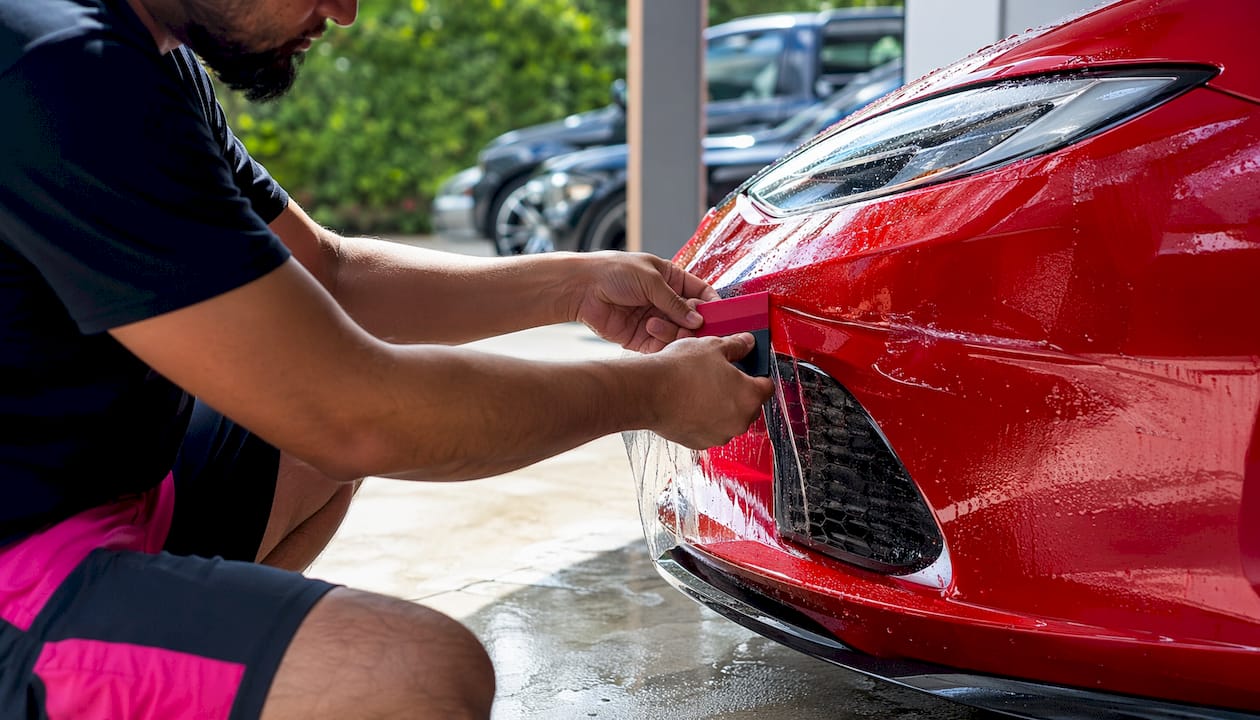
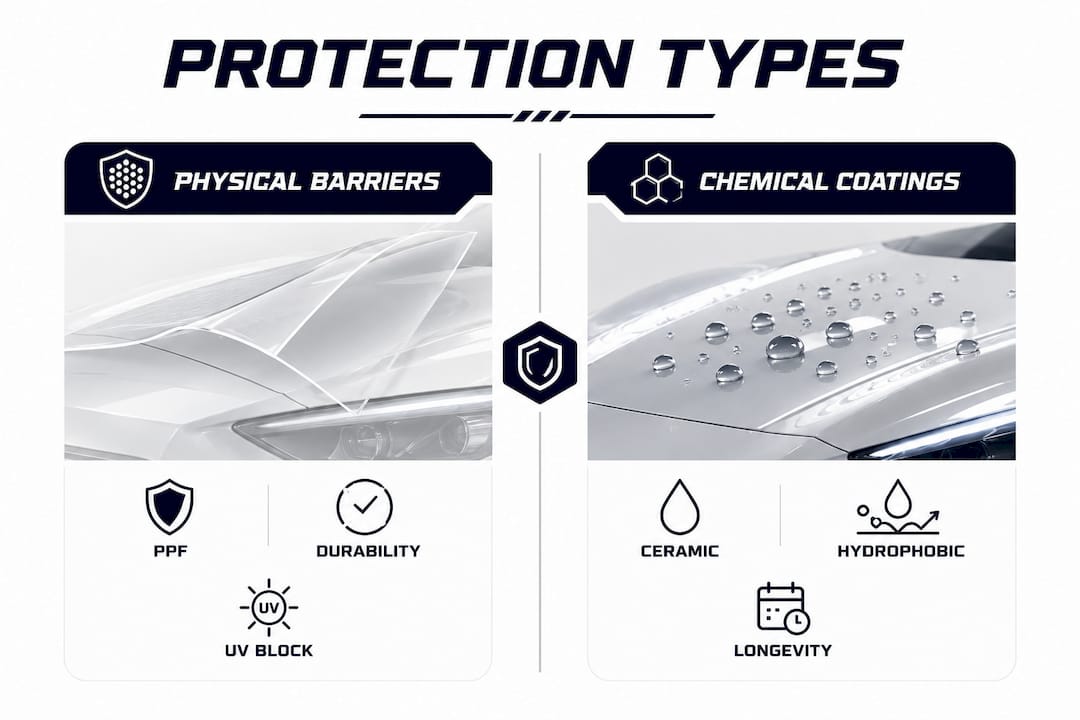
Paint Protection Film (PPF) is the strongest physical barrier available for automotive paint. High-quality PPF blocks over 99% of damaging UV rays and provides the longest-lasting protection against fading, rock chips, and surface abrasion. Unlike coatings that bond chemically to paint, PPF is a urethane film that physically shields the surface. It also offers self-healing properties, meaning light scratches disappear with heat exposure.
Ceramic coatings work differently. They bond chemically to the clear coat and create a hard, hydrophobic layer that resists UV rays, chemical etching, and environmental fallout. Consumer-grade ceramic coatings typically last 12–24 months before reapplication is needed. That lifespan makes them a strong mid-tier option for car owners who want durable protection without committing to a full PPF installation.
Waxes and synthetic sealants sit at the entry level of paint protection. Carnauba waxes last roughly 4–8 weeks, while synthetic sealants hold up for 3–4 months. Both act as sacrificial layers that absorb UV damage before it reaches the clear coat. They are affordable and easy to apply, but they require frequent reapplication to stay effective.
Choosing the right protection level
The table below outlines the three main protection tiers, their lifespan, and their primary strengths.
| Protection type | Typical lifespan | Primary strength |
|---|---|---|
| Paint Protection Film (PPF) | Multi-year | Physical UV barrier, self-healing |
| Ceramic coating | 12–24 months | Chemical bond, hydrophobic surface |
| Synthetic sealant | 3–4 months | Affordable, easy reapplication |
| Carnauba wax | 4–8 weeks | Gloss enhancement, basic UV buffer |
Pro Tip: Never apply a ceramic coating or PPF over paint that has swirls, oxidation, or contamination. Applying coatings over defects locks those flaws in place and makes them more visible. Correct the paint first, every time.
For a deeper look at how UV coatings protect luxury finishes, the science behind these products explains why bond quality and surface prep determine long-term results.
How to perform proper cleaning and maintenance to preserve automotive paint?
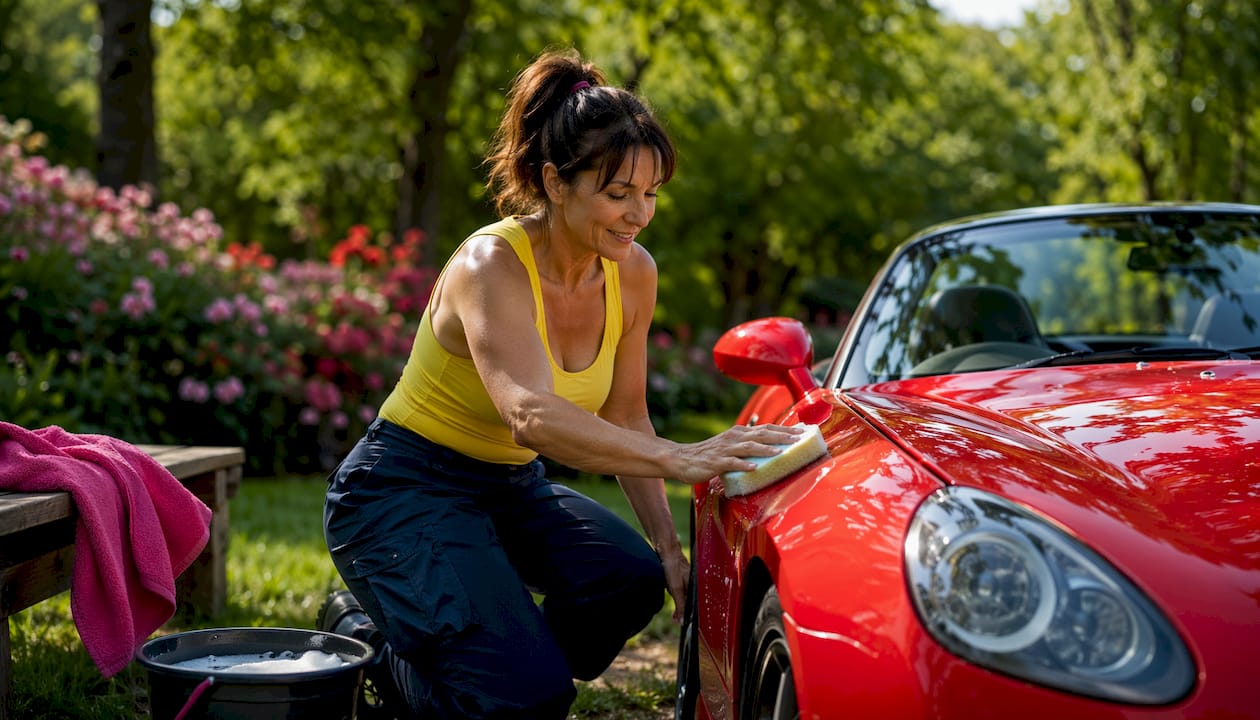
Washing your car correctly is one of the most effective ways to extend paint life. The wrong technique strips protective layers and introduces swirl marks that degrade the clear coat over time. A structured washing routine removes contaminants before they etch into the surface.
Follow these steps for a safe, protection-preserving wash:
- Rinse the vehicle thoroughly before touching the paint. This removes loose dirt and grit that would otherwise scratch the surface during washing.
- Use the two-bucket method. Fill one bucket with pH-neutral shampoo and water, and a second with clean rinse water. Dip your microfiber wash mitt into the soap bucket, wash a panel, then rinse the mitt in the clean water bucket before reloading with soap. The two-bucket method prevents grit from transferring back onto the paint.
- Wash in straight lines, not circles. Circular motions create swirl marks that scatter light and dull the finish.
- Dry with a plush microfiber towel. Microfiber wash mitts and drying towels avoid the micro-scratches that old sponges and cotton rags cause by dragging grit across the surface.
- Inspect water beading after every wash. Water beading indicates that your coating or sealant is still active. Flat, sheeting water means the protective layer has broken down and reapplication is due.
Pro Tip: Wash your car in a shaded area during cooler parts of the day. Heat causes soap to dry on the surface before you rinse it, leaving water spots and residue that degrade the finish.
Bird droppings and tree sap require immediate attention. Both are acidic and can etch through the clear coat within hours if left untreated. Use a dedicated contaminant remover or a damp microfiber towel to lift them gently. Never scrape with a fingernail or hard tool.
Reapplication schedules matter as much as the products themselves. Waxing every 4–6 weeks, resealing every 3–4 months, and refreshing ceramic coatings every 12–24 months keeps protection consistent. Skipping these intervals allows UV radiation to reach the clear coat directly.
What everyday habits can help prevent paint fading?
Small daily decisions add up to significant protection over months and years. These habits cost nothing but attention, and they reduce the workload your coatings have to carry.
- Park in a garage or shaded area whenever possible. Parking in shade or a garage significantly reduces UV exposure and slows paint fading. Even a carport provides meaningful protection compared to open-air parking in direct sunlight.
- Use a breathable car cover for long-term outdoor parking. A quality cover blocks UV rays and keeps environmental fallout off the surface. Avoid non-breathable covers, which trap moisture and promote mold growth under the cover.
- Choose parking spots away from trees. Trees provide shade but drop sap, pollen, and bird activity onto your paint. A covered parking structure beats a tree-shaded spot every time.
- Apply UV protectants to plastic trim and rubber seals. UV damage affects plastic trim and rubber just as aggressively as paint, causing fading, cracking, and a weathered appearance. Trim protectants with UV blockers maintain a cohesive, well-kept look across the entire vehicle.
- Do a seasonal protection check. Before summer and winter, inspect the condition of your coating or sealant and reapply if needed. Extreme heat and road salt are the two biggest seasonal threats to paint protection.
Protecting trims and plastics with UV blockers is one of the most overlooked steps in paint care. Car owners who protect the paint but neglect the trim end up with a vehicle that looks mismatched and older than it is.
How to address existing paint fading and damage before applying protection?
Preparation is the step most car owners skip, and it is the step that determines whether a coating lasts two years or six months. Applying any protective product over contaminated or damaged paint guarantees a poor result.
Follow this preparation sequence before applying PPF or a ceramic coating:
- Wash and decontaminate the paint. Start with a thorough wash using pH-neutral shampoo. Follow with an iron remover spray to dissolve embedded metallic particles that washing cannot remove. These particles come from brake dust and industrial fallout and bond to the clear coat over time.
- Clay bar the surface. A clay bar pulls out bonded contaminants that iron remover leaves behind. Run it across every painted panel with a clay lubricant until the surface feels smooth like glass. For a full breakdown of this process, the paint decontamination guide from Mannyceramicprotouch covers each step in detail.
- Perform paint correction. Use a machine polisher with the appropriate compound or polish to remove swirl marks, light scratches, and oxidation. This step restores clarity and depth to the clear coat before any protective layer goes on.
- Wipe down with an IPA (isopropyl alcohol) solution. This removes polish residue and oils from the surface, giving the coating a clean, bare surface to bond to.
- Apply the protective layer immediately. Once the surface is prepped, apply PPF or ceramic coating within the same session. Dust and contamination settle quickly, and any delay compromises the bond.
Proper surface preparation is not optional. Applying protection over swirls, oxidation, or contaminants locks in those defects, makes them more visible under the coating, and requires full removal of the protective layer to correct later. The prep work costs less time than the fix.
For car owners considering DIY preparation, paint correction requires practice and the right equipment. A dual-action polisher is forgiving for beginners, but a rotary polisher in untrained hands can burn through the clear coat. When in doubt, professional preparation before PPF installation delivers a result that holds up long-term.
Key takeaways
Preventing paint fading requires layered UV protection, consistent maintenance schedules, and proper surface preparation before any coating is applied.
| Point | Details |
|---|---|
| PPF offers the strongest UV barrier | Paint Protection Film blocks over 99% of UV rays and lasts longer than any coating or wax. |
| Ceramic coatings need reapplication | Consumer-grade ceramic coatings last 12–24 months; monitor water beading to know when to refresh. |
| Prep determines coating performance | Decontaminate, clay bar, and correct paint before applying any protective layer. |
| Daily habits reduce UV load | Parking in shade and using car covers meaningfully slow fading between protection applications. |
| Contaminants must be removed fast | Bird droppings and tree sap etch through clear coat within hours; remove them immediately. |
What I’ve learned after years of working on high-value paint
The most common mistake I see is car owners investing in a quality ceramic coating and then treating it like a permanent fix. They stop washing regularly, skip the reapplication window, and wonder why the paint looks dull two years later. Coatings are not permanent. They are maintenance-dependent shields, and the owners who get the most out of them are the ones who treat washing and inspection as part of the ownership routine.
The second mistake is skipping prep. I have seen vehicles come in with a ceramic coating applied over heavy swirl marks and oxidation. The coating amplified every defect because it added gloss to a damaged surface. Removing that coating to correct the paint underneath costs more time and money than doing the prep correctly from the start.
The advice I give every client is this: layer your protection. Use a quality coating as your primary UV shield, keep up with washing every two to four weeks, and reapply a sealant or wax on schedule. No single product does everything. The combination of a durable coating, correct washing technique, and smart parking habits is what keeps paint vibrant for years. Proactive care is always cheaper than reactive repair.
— Emmanuel
Advanced paint protection at Mannyceramicprotouch
Mannyceramicprotouch specializes in long-term paint preservation for luxury, exotic, and high-value vehicles. Every vehicle receives a tailored protection strategy built around its paint condition, usage, and the owner’s goals.

The studio offers professional Paint Protection Film installation and high-performance ceramic coating packages, each applied after thorough paint decontamination and correction. For owners who want the most advanced option available, Liquid PPF ceramic coating combines the chemical resistance of a ceramic coating with the physical protection properties of traditional PPF in a single application. Mobile detailing services are also available for clients who prefer on-site treatment. Contact Mannyceramicprotouch to schedule a consultation and build a protection plan that fits your vehicle.
FAQ
What causes car paint to fade?
UV radiation breaks down the molecular bonds in your car’s clear coat, causing oxidation and loss of color vibrancy. Heat accelerates this process by creating microscopic cracks that expose the underlying paint to further damage.
How long does ceramic coating protect against fading?
Consumer-grade ceramic coatings last 12–24 months before reapplication is needed. Monitor water beading after each wash; flat, sheeting water signals that the coating has broken down.
Is Paint Protection Film better than ceramic coating for preventing fading?
PPF blocks over 99% of UV rays and provides a physical barrier that ceramic coatings cannot match. For maximum fade prevention, PPF is the stronger option, though ceramic coatings offer excellent protection at a lower cost.
How often should I wash my car to maintain paint protection?
Washing every 2–4 weeks using the two-bucket method with pH-neutral shampoo maintains paint protection and prevents contaminant buildup. Always use microfiber mitts and drying towels to avoid swirl marks.
Can I apply a ceramic coating myself?
DIY ceramic coating is possible, but proper surface preparation including decontamination, clay bar treatment, and paint correction is required first. Applying a coating over uncorrected paint locks in defects and produces a poor result.