

Exterior Washes
Washing on a regular basis maintains the integrity of the paint, prevents corrosion, and retains aerodynamic efficiency by removing fuel spills, combustion soot, brake dust, environmental pollutants and the normal contaminants associated with the operation of an aircraft.
Benefits
- Protects against UV rays and oxidation
- Easier bug and contaminant removal
- Maintains a high-gloss professional finish
- Reduces long-term maintenance
- Protects paint, brightwork, glass, and interiors
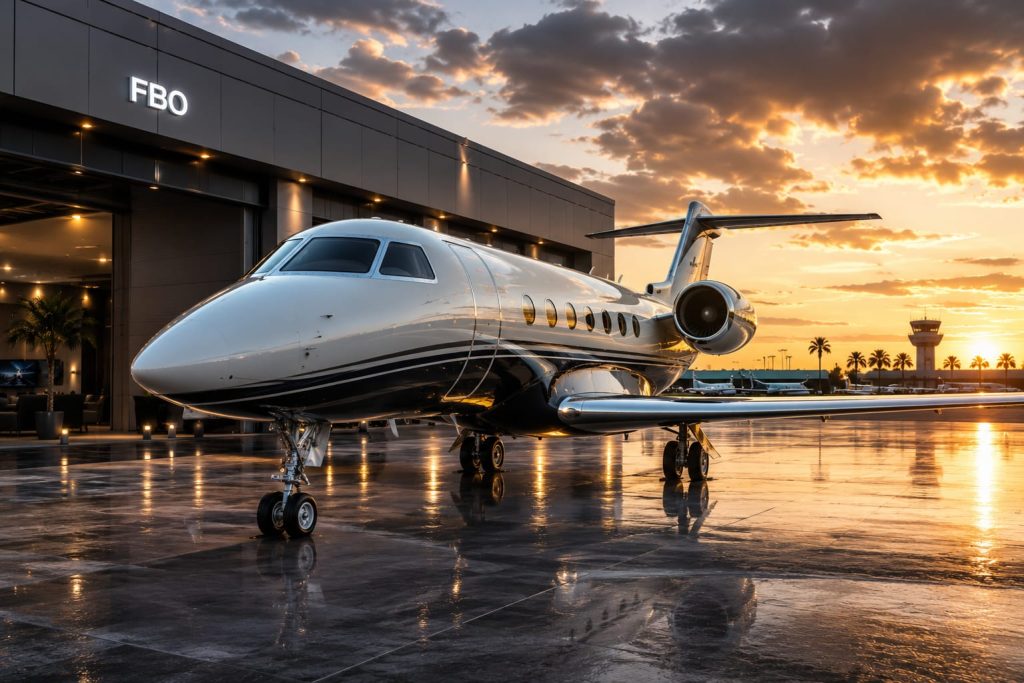
Serving private aircraft owners, charter operators, corporate flight departments, FBOs, and aviation facilities throughout Florida.
Our Process
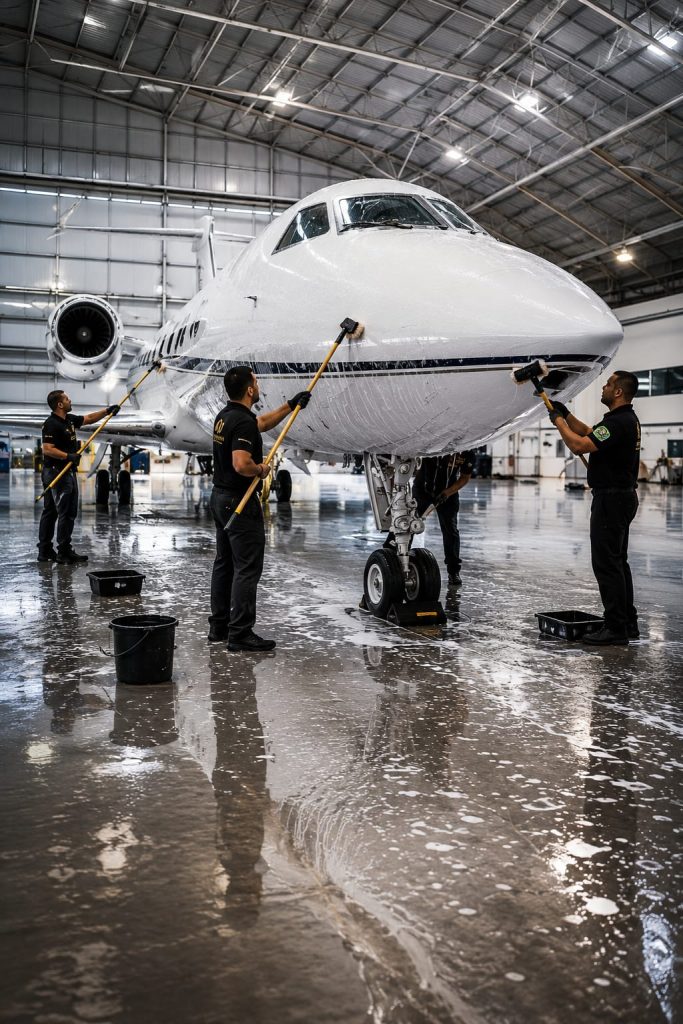
An aircraft exterior wash process ensures aerodynamic efficiency and prevents corrosion. It involves sealing sensitive components, applying pH-neutral aviation-approved cleaners from top to bottom, and washing heavy soil areas (like the belly and landing gear) with soft mops. Finally, it is gently rinsed and dried thoroughly.
Preparation and Sealing: Secure all windows, doors, and hatches. Cover sensitive parts like pitot tubes, static ports, antennas, and engine inlets using designated covers or aviation-approved low-tack tape to prevent water or chemicals from entering.
Pre-Rinse: Perform a low-pressure rinse over the entire aircraft to remove loose dirt, dust, and debris that might cause scratches. Never use high-pressure washers, as they can damage paint adhesion or drive moisture into structural lap joints and seams.
Spot Cleaning: Treat stubborn stains such as hydraulic fluid leaks, exhaust tracks, carbon deposits, and grease spots with manufacturer-approved solvent-based or specialty cleaners.
Main Wash: Apply a diluted, pH-neutral aviation soap using soft-bristled brushes, mops, or microfiber mitts. Always work top-to-bottom and in strategic sections (e.g., windshield, nose, fuselage, wings, tail) to prevent dirty water from streaking or recontaminating cleaned surfaces.
Rinsing: Rinse the aircraft thoroughly with clean, low-pressure water to ensure absolutely no soap residue dries on the surface.
Drying and Inspection: Dry the aircraft using clean chamois, microfiber towels, or rubber squeegees to prevent water spots. Finally, remove all masking tapes and covers, ensure pitot tubes are unobstructed, and conduct a post-wash inspection and re-lubrication of moving parts if required.
Our packages
Exterior Detailing
Starting atAircraft
Paint CorrectionCeramic Coating
(Exterior) Starting atLPF
Liquid Paint Protection FilmStarting at
Glass Protection
Starting atBrightwork
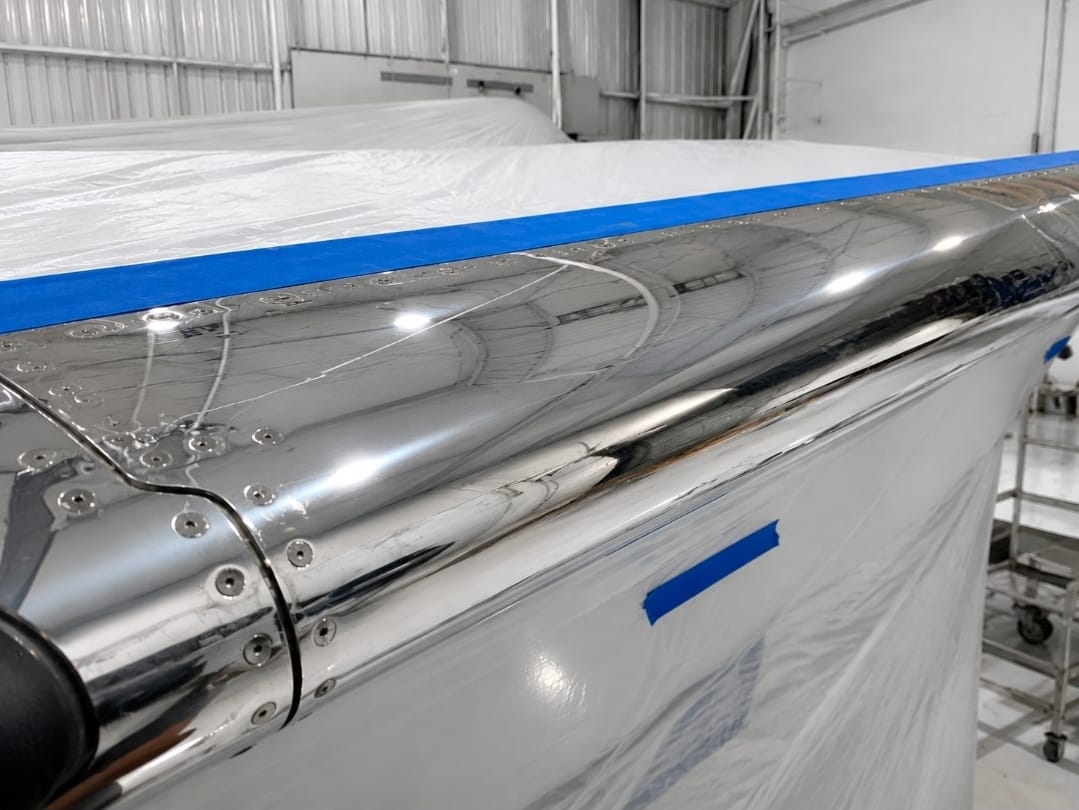
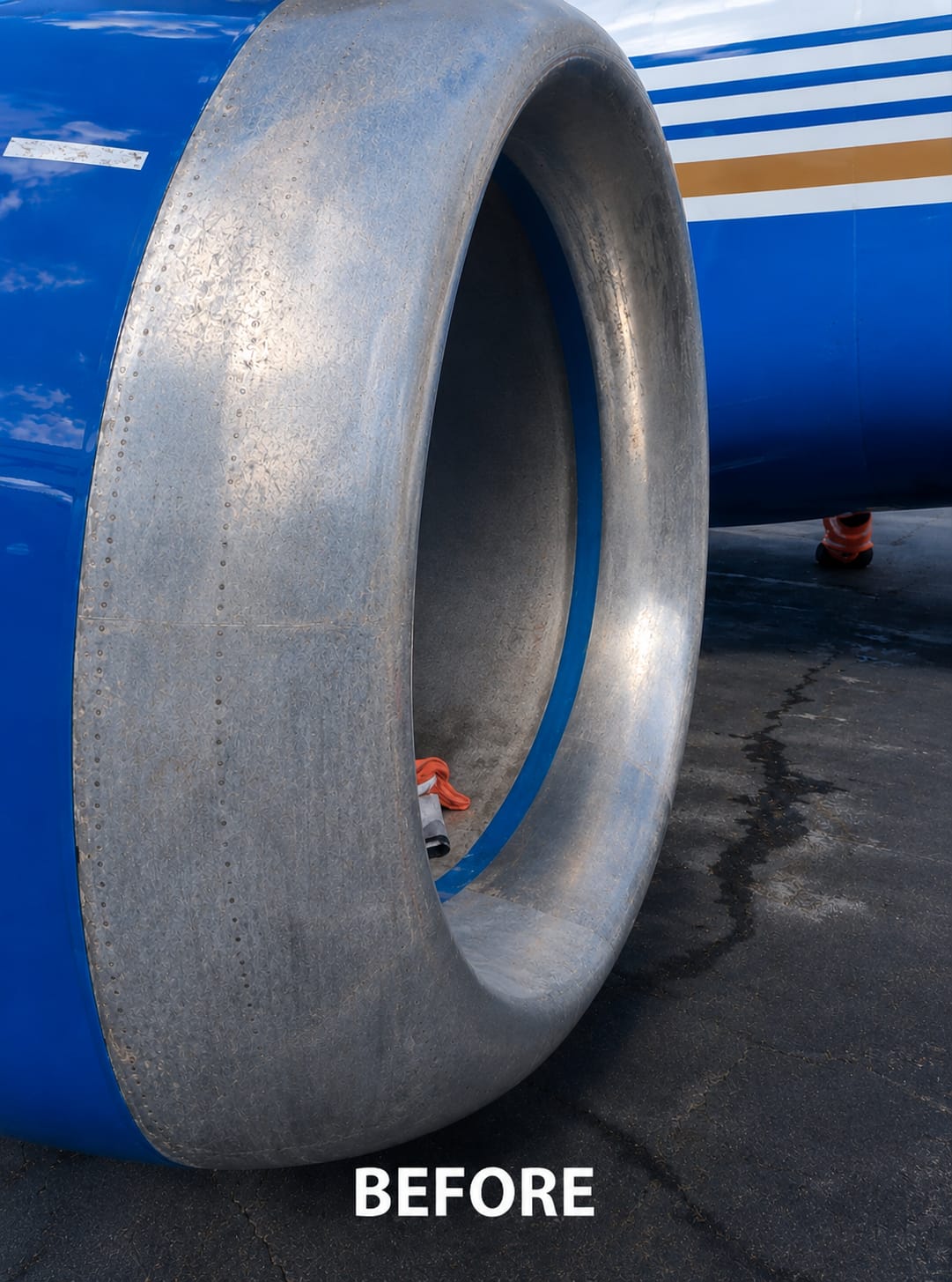
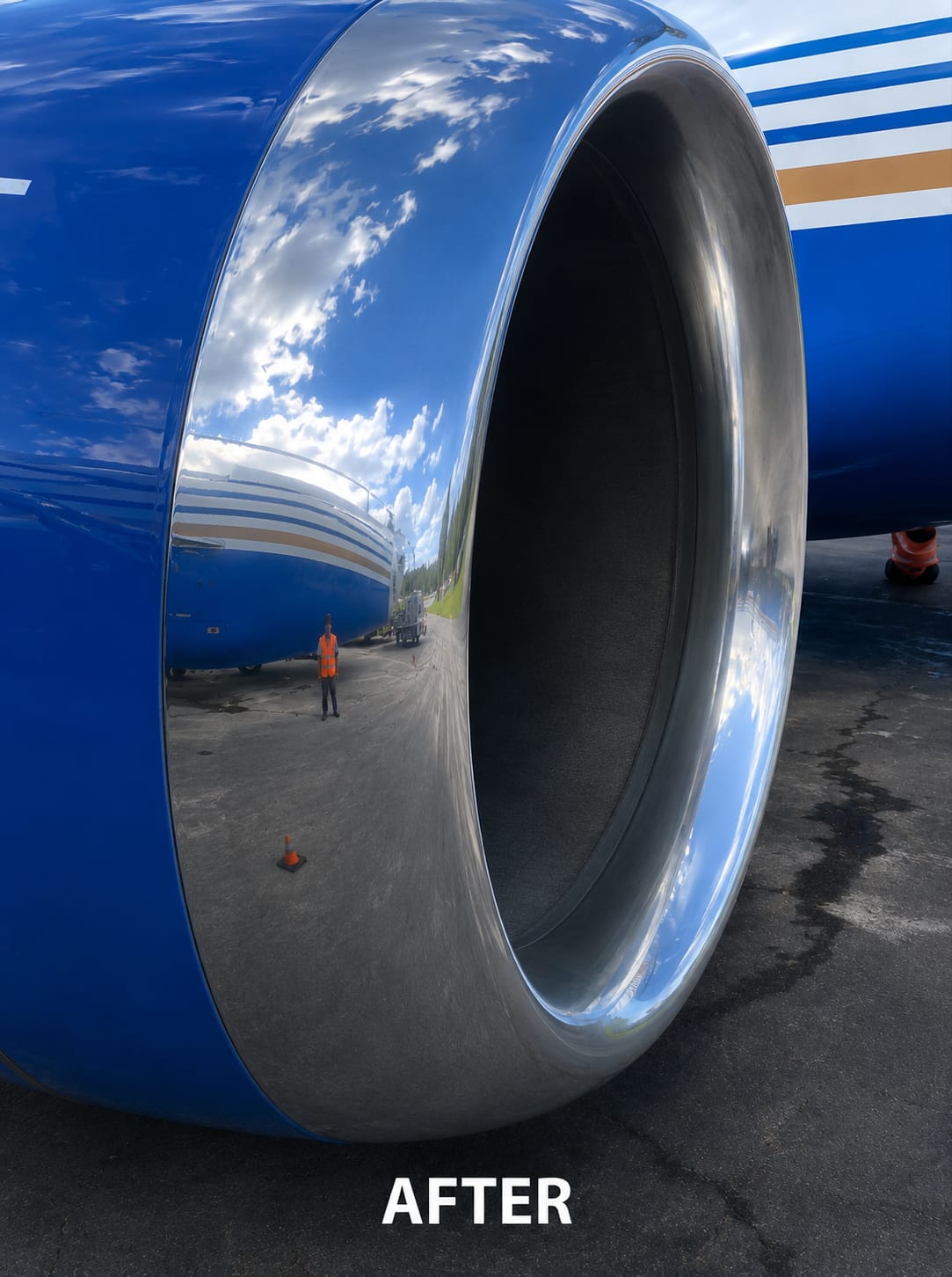
& Metal PolishingInterior Detailing
Interior
Ceramic ProtectionServing private aircraft owners, charter operators, corporate flight departments, FBOs, and aviation facilities throughout Florida.
Aircraft Portfolio
FAQ
Do you travel?
Yes. We provide mobile aviation detailing and protection services. Travel is available by appointment, and travel fees are quoted separately based on the aircraft’s location and logistics.
This keeps everything consistent with our Luxury Surface Preservation™ brand while making it clear that we offer on-site service with customized travel pricing.
Mobile Aviation Services Available
We travel to private hangars, FBOs, airports, and aviation facilities throughout Florida. Travel fees are quoted separately based on the aircraft’s location.
Aircraft We Service
- Single-Engine Aircraft
- Twin-Engine Aircraft
- Turboprops
- Business Jets
- Helicopters
We are working on more aircraft
- Gulfstream
- Cessna
- Citation
- Learjet
- King Air
- Cirrus
- Pilatus
- Embraer
- Dassault Falcon