

TL;DR:
- Paint contaminants like bird droppings, brake dust, and road salt can cause permanent damage to a vehicle’s clear coat if not addressed promptly. Regular cleaning and protective coatings, such as ceramic or Liquid PPF, effectively prevent long-term paint damage from environmental threats. Prompt removal of stains and comprehensive protection extend the vehicle’s appearance and value over time.
Paint contaminants are acidic, abrasive, or chemically reactive substances that attack your vehicle’s clear coat and cause permanent damage if left untreated. The top contaminants harming car paint include bird droppings, brake dust, road salt, UV radiation, tree sap, and bug splatter. Each one damages paint through a different mechanism, which means no single cleaning approach handles all of them. Understanding what you’re dealing with is the first step toward protecting your vehicle’s finish and its long-term value.
1. Bird droppings: the fastest way to ruin a clear coat
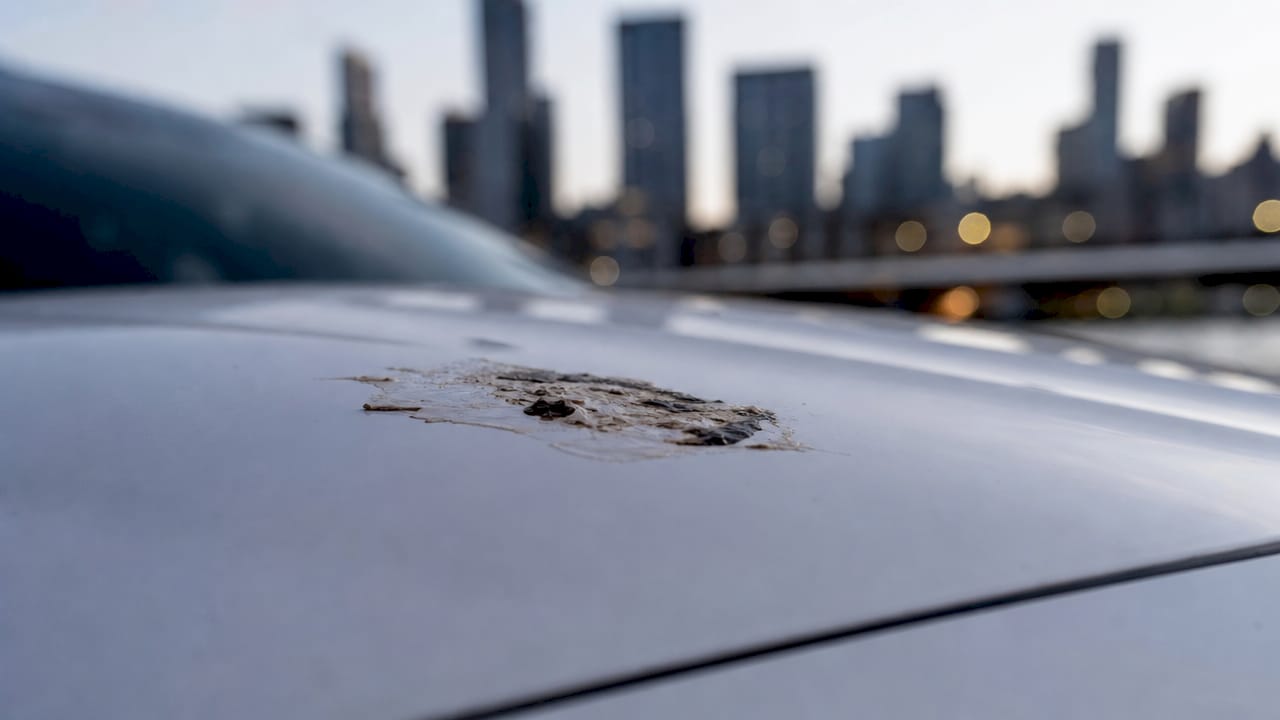
Bird droppings are one of the most destructive substances your car encounters. Their pH ranges from 3 to 4.5, placing them in the same acidity range as vinegar. That level of acidity is strong enough to etch through the clear coat in a matter of hours, especially on a hot day when the paint surface expands and absorbs the material faster.
The damage goes beyond chemistry. Bird droppings often contain grit, seeds, and undigested material. Wiping them off dry drags that abrasive material across the clear coat and creates fine scratches. Those scratches compound the chemical damage by exposing the base coat beneath.
- Remove bird droppings within 1–2 hours in warm weather
- Soak the area with a damp microfiber cloth before wiping
- Never use a dry paper towel or rough cloth
- Use a pH-neutral car shampoo to clean the residue fully
Pro Tip: Keep a spray detailer and a clean microfiber cloth in your car. A quick soak-and-lift takes 60 seconds and prevents damage that would cost hundreds to correct.
2. Brake dust and iron fallout: rust forming on your paint
Brake dust is not just road grime. It contains metallic iron particles that embed directly into the clear coat at a microscopic level. Once embedded, those particles oxidize on contact with moisture and oxygen. The result is tiny rust spots that give the paint an orange-peel texture and dull its finish over time.
Industrial fallout works the same way. Factories, rail yards, and construction sites release airborne metal particles that settle on any surface they contact. If you park near these environments regularly, your paint accumulates fallout faster than a standard wash can remove it.
- Inspect paint by running a clean hand across the surface. Rough, gritty texture indicates embedded particles
- Use a dedicated iron remover spray, which turns purple as it reacts with iron deposits
- Follow with a clay bar treatment to pull remaining particles from the clear coat
- Apply a protective coating after decontamination to prevent re-embedding
Pro Tip: Chemical iron decontamination should be part of every full detail, not just when you notice rust spots. By the time spots are visible, the damage is already deep.
3. Road salt and winter chemicals: corrosion from the ground up
Road salt is the most underestimated paint threat for drivers in cold climates. Salt becomes chemically active at temperatures as low as 15–20°F when combined with humidity. At those conditions, it accelerates oxidation at any point where the paint is already chipped or scratched, attacking the bare metal beneath.
Modern de-icing brine solutions are even more aggressive than traditional rock salt. They stay wet longer and cling to surfaces more effectively, which extends the contact time between the chemical and your paint. Over a full winter season, this creates bubbling rust beneath the paint film, particularly along door edges, wheel arches, and rocker panels.
- Wash your car every 10–14 days during winter, even in cold weather
- Pay special attention to the undercarriage, wheel wells, and lower body panels
- Apply a wax or sealant before winter begins to create a barrier layer
- Inspect paint chips and touch them up before the first freeze to prevent salt from reaching bare metal
4. UV radiation: the slow destruction of your clear coat
UV radiation causes paint damage that builds gradually and becomes obvious only after significant degradation has occurred. UV rays break down the molecular bonds in the clear coat’s polymer structure, causing it to oxidize and chalk. The paint loses its gloss, turns dull, and develops a rough texture that no amount of washing will fix.
Thermal cycling makes the problem worse. Paint expands in heat and contracts in cold. That repeated movement creates micro-cracks in a UV-weakened clear coat. Those cracks let moisture and other contaminants penetrate deeper into the paint system.
| Sign of UV damage | What it means |
|---|---|
| Chalky, dull surface | Clear coat oxidation has begun |
| Faded color | UV has broken down base coat pigments |
| Rough texture | Micro-cracks have formed in the clear coat |
| Peeling or flaking | Clear coat has fully delaminated |
Paint Protection Film blocks over 99% of UV rays and lasts 8–10 years under professional installation. That lifespan makes it one of the most cost-effective defenses against long-term UV degradation. Ceramic coatings add a second layer of UV and chemical resistance that lasts 2–7 years depending on the product and maintenance routine.
Pro Tip: UV damage is cumulative. A car parked outside daily in Florida or Arizona accumulates years of UV exposure faster than one garaged in the Pacific Northwest. Adjust your protection strategy to your climate, not just your budget.
5. Tree sap, bug splatter, water spots, and industrial fallout
These four contaminants are often dismissed as minor nuisances. Each one causes real clear coat damage when ignored.
Tree sap hardens quickly after contact with air. Tree sap chemically etches the clear coat if left in place, and hardened sap requires a solvent-based remover to lift without scratching. Parking under trees during summer is a reliable way to accumulate sap deposits across the hood and roof.
Bug splatter contains digestive acids similar in strength to bird droppings. The acids release as the insect matter dries, and they begin etching the clear coat within hours in warm weather. Highway driving in summer months deposits a heavy concentration of splatter on the front bumper, hood, and windshield.
Water spots form when hard water evaporates on the paint surface. The water leaves behind calcium and magnesium deposits that bond to the clear coat and resist normal washing. In severe cases, those mineral deposits etch into the clear coat and require polishing to remove.
Industrial fallout deposits chemical residues and metal particles that cause oxidation and dull patches. Unlike brake dust, industrial fallout often contains a mix of chemical compounds that standard washes cannot break down.
- Remove tree sap with isopropyl alcohol or a dedicated sap remover; never scrape
- Clean bug splatter within 24 hours using a bug-specific cleaner
- Dry your car with a clean microfiber towel after washing to prevent water spots; streak-free wiping technique matters more than most owners realize
- Use a clay bar for industrial fallout that does not respond to chemical cleaners
Key Takeaways
The most effective defense against paint contaminants combines prompt removal, correct washing technique, and a professional-grade protective barrier applied before damage occurs.
| Point | Details |
|---|---|
| Bird droppings cause fast damage | Acidic pH of 3–4.5 etches clear coat within hours; remove within 1–2 hours in heat. |
| Iron particles require chemical removal | Standard washing does not remove embedded brake dust; use an iron remover and clay bar. |
| Road salt attacks at chip sites | Touch up paint chips before winter to block salt from reaching bare metal. |
| UV damage is cumulative and permanent | PPF blocks over 99% of UV rays; ceramic coatings add 2–7 years of chemical and UV defense. |
| Secondary contaminants need prompt attention | Tree sap, bug splatter, and water spots all etch clear coat if left beyond 24 hours. |
What I’ve learned from working with paint every day
The single most common mistake I see is waiting. Car owners notice a bird dropping, think “I’ll wash it this weekend,” and come back to find a permanent etch mark in the clear coat. That mark does not buff out easily. It often requires machine polishing, and if the clear coat is thin, polishing removes what little protection remains.
The factory clear coat is only about 127 microns thick. That is thinner than a credit card. Every contaminant that sits on the surface is working against a layer that has almost no margin for error. Once it is gone, the base coat is exposed, and the repair cost jumps significantly.
Washing technique matters as much as frequency. Improper washing is the leading cause of paint defects, and most of those defects come from dragging contaminated wash media across the surface. The two-bucket method, one bucket for clean soapy water and one for rinsing the mitt, keeps abrasive dirt out of the wash process. Pair that with a quality wash approach and you eliminate most of the micro-scratches that accumulate over years of ownership.
Protection applied before damage occurs is always more effective than correction after the fact. Waiting until paint damage shows before applying PPF or ceramic coating is a critical error. By that point, you are protecting compromised paint, not pristine paint. The results are never the same.
For daily drivers, a ceramic coating and a disciplined wash routine cover most of the risk. For high-value vehicles, combining PPF on impact zones with a ceramic coating over the full car is the standard that actually holds up.
— Emmanuel
How Mannyceramicprotouch protects your paint from every contaminant
Every contaminant covered in this article attacks the same target: your clear coat. Mannyceramicprotouch addresses that threat at the source with Liquid PPF and professional ceramic coatings engineered for luxury and high-value vehicles.

Liquid PPF delivers physical and chemical protection without the edge lines of traditional film, making it ideal for full-vehicle coverage. Traditional PPF vs. Liquid PPF each have distinct advantages depending on your vehicle and how you use it. Ceramic coatings add UV resistance, hydrophobic properties, and chemical defense that last years with proper maintenance. Mannyceramicprotouch offers ceramic coating packages tailored to your vehicle’s specific needs, with professional installation that ensures full coverage and long-term performance.
FAQ
What are the most damaging contaminants for car paint?
Bird droppings, brake dust, road salt, and UV radiation cause the most severe paint damage. Bird droppings and brake dust act quickly, while UV radiation and road salt cause cumulative long-term degradation.
How fast can bird droppings damage car paint?
Bird droppings can cause permanent clear coat etching within hours, especially in hot weather. Their pH of 3–4.5 makes them as acidic as vinegar, and heat accelerates the chemical reaction.
Does ceramic coating protect against paint contaminants?
Ceramic coatings protect against UV damage, chemical etching, and oxidation, and they last 2–7 years. They do not prevent physical damage from rock chips, which requires Paint Protection Film.
How do I remove embedded brake dust from car paint?
Use a dedicated iron remover spray, which reacts chemically with iron particles and dissolves them. Follow with a clay bar treatment to remove any remaining embedded particles before applying a protective coating.
How often should I wash my car to prevent paint damage?
Wash your car every 1–2 weeks under normal conditions, and every 10–14 days during winter when road salt exposure is high. Use the two-bucket wash method to avoid introducing swirl marks during the cleaning process.