

TL;DR:
- High-end car preservation involves maintaining a vehicle’s original condition through meticulous maintenance, proper storage, and advanced surface protection. It emphasizes minimal intervention, using OEM parts, and respecting natural patina, which enhances long-term value and authenticity. Structured routines, climate-controlled storage, and durable exterior coatings are essential to protect high-value vehicles from deterioration over time.
Most car owners assume preservation means a good wash and a coat of wax twice a year. That assumption is expensive. What is high-end car preservation, really? It is a specialized discipline combining maintenance science, storage engineering, surface protection technology, and a philosophy of respecting originality above all else. It applies equally to a low-mileage Ferrari kept in a private collection and a daily-driven Bentley expected to hold its value for decades. This article breaks down every layer of that discipline so you can protect your vehicle the right way.
Table of Contents
- Key takeaways
- What is high-end car preservation
- Core luxury car maintenance routines
- Proper storage for high-end vehicles
- Advanced exterior protection methods
- A practical preservation workflow
- My perspective on what preservation really demands
- How Mannyceramicprotouch protects your investment
- FAQ
Key takeaways
| Point | Details |
|---|---|
| Preservation differs from restoration | Retaining original components and finishes protects provenance and monetary value. |
| Climate-controlled storage is non-negotiable | Humidity above 50% damages leather, wood trim, and sensitive electronics over time. |
| Proactive maintenance prevents major costs | Staying on manufacturer service schedules avoids repairs that cost multiples of routine servicing. |
| Modern coatings outperform traditional waxing | Ceramic coatings and paint protection film provide durable, long-term exterior defense. |
| Documentation matters | Recording every service and treatment step protects resale value and ownership history. |
What is high-end car preservation
High-end car preservation is the practice of maintaining a luxury or collector vehicle in its closest possible state to original condition, or to peak condition at a defined point in time. It is not the same as restoration. Restoration rebuilds or replaces. Preservation retains.
The distinction matters enormously in financial terms. Excessive restoration can diminish provenance and the monetary worth of investment-grade vehicles. A well-documented, unrestored Shelby Cobra with original paint and factory components regularly commands a premium over a fully restored counterpart at auction. The reasoning is straightforward: every original part that remains is evidence of authenticity that no restoration shop can replicate.
The preservation mindset rests on three core principles:
- Minimal intervention. Only perform work that prevents further deterioration or addresses a safety concern. Avoid cosmetic changes that alter the vehicle’s character.
- Original materials first. When repairs are needed, use OEM or period-correct parts. Aftermarket substitutions, even when visually identical, reduce collector value.
- Patina is not damage. Surface wear that naturally accumulates over decades is a record of the car’s life. True value in preservation comes from honoring that history rather than erasing it.
Pro Tip: Before authorizing any restoration work on a collector vehicle, photograph every surface in high resolution and document all original part numbers. This record becomes part of the car’s provenance file and directly supports future valuation.
Modern preservation also benefits from advances in surface science. Restoration workshops increasingly integrate advanced engineering and customization into classic car work, but the best specialists know how to apply those tools without compromising originality. The goal is always the same: maintain what exists for as long as possible.
Core luxury car maintenance routines
Preservation is not passive. A vehicle left untended deteriorates regardless of how rarely it is driven. Structured, scheduled maintenance is the foundation of every successful preservation program.
Here is a practical maintenance framework for high-end vehicles:
- Follow manufacturer service intervals precisely. Luxury vehicles are engineered to tight tolerances. Skipping or delaying scheduled services accelerates wear in ways that are difficult to reverse.
- Use only certified technicians and genuine OEM parts. Luxury car maintenance costs are largely influenced by specialized parts, skilled labor, and brand-specific engineering complexities. Using non-OEM parts to save money often creates more expensive problems downstream.
- Conduct fluid checks at every service. Engine oil, transmission fluid, brake fluid, and coolant all degrade over time regardless of mileage. Degraded fluids are one of the most common causes of premature component failure in stored or lightly used vehicles.
- Service brakes on schedule, not just when symptoms appear. Brake calipers and rotors on vehicles that sit for extended periods are especially vulnerable to corrosion. Regular servicing prevents seizure and maintains system integrity.
- Battery maintenance is often overlooked. A quality battery tender connected during storage periods prevents sulfation, which permanently reduces battery capacity.
Annual maintenance costs vary considerably by brand. Typical yearly maintenance ranges from $750 to $1,000 for Lexus, $1,000 to $1,300 for BMW, and $1,200 to $1,500 for Mercedes-Benz and Jaguar. These figures represent routine service only. Major repairs on deferred maintenance can multiply those costs rapidly.
A practical example of what deferred maintenance looks like: Volvo XC90 owners face approximately $13,196 in maintenance and repair costs over the first ten years, with a 37% chance of a major repair within five years. Regular oil changes every 10,000 miles are one of the most effective tools for reducing that probability. The same logic scales directly to six and seven-figure vehicles where repair costs are significantly higher.
Pro Tip: Keep a dedicated service log for your vehicle that goes beyond the dealer stamp. Record the technician’s name, parts used, mileage, and any observations noted during service. This documentation is worth real money at resale.
Referencing an elite maintenance checklist built specifically for luxury vehicles can help owners stay on top of every service interval without relying solely on dashboard warnings.
Proper storage for high-end vehicles
Storage is where preservation succeeds or fails for most collectors. The standard residential garage is not an adequate preservation environment, and assuming otherwise is one of the most common and costly mistakes luxury vehicle owners make.
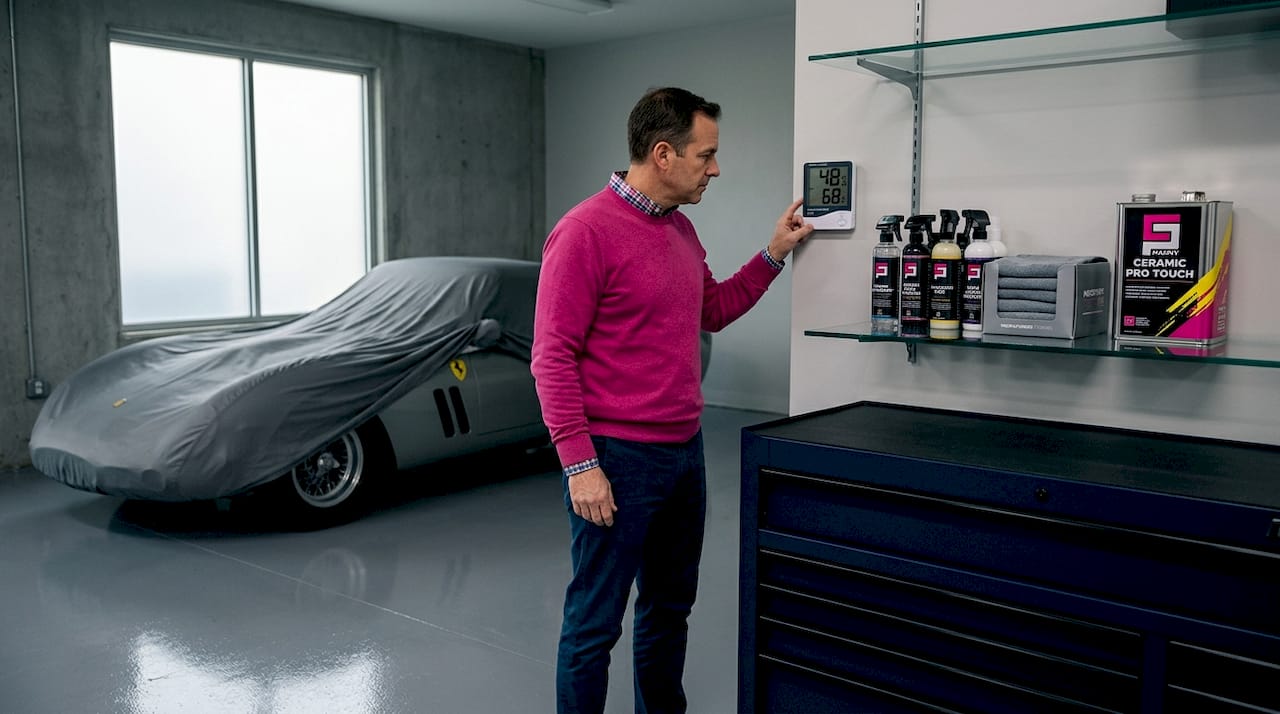
Luxury vehicle preservation requires climate-controlled facilities with humidity maintained below 50%. Leather seating, wood trim panels, and complex electronics are all vulnerable to humidity fluctuations. A garage that cycles between seasonal temperature extremes creates conditions that degrade these materials even when the car is never touched.
Key storage considerations for high-end vehicles:
- Climate control is mandatory, not optional. Temperature should remain stable, ideally between 50°F and 70°F. Humidity below 50% prevents mold on leather and corrosion on bare metal components.
- Professional storage facilities outperform residential options. Dedicated car storage facilities offer 24/7 monitoring, security systems, and consistent environmental conditions that a home garage cannot match.
- Exercise cycles keep mechanical systems healthy. Zero-mileage vehicles require intensive storage protocols to prevent rubber dry-rot and fuel degradation. Running the engine periodically is not optional for stored vehicles.
- Tire flat-spotting is a real concern. Vehicles sitting stationary for months develop flat spots on tires that can become permanent. Tire cradles or periodic movement prevent this.
- Fuel stabilizer is required for extended storage. Untreated fuel degrades within 30 to 60 days and can varnish fuel system components.
Engine exercise cycles must be carefully managed to bring the engine to full operating temperature without prolonged idling. Short idle cycles are counterproductive because they allow moisture to accumulate in the oil before it gets hot enough to evaporate. A proper exercise cycle means driving the vehicle long enough to reach full operating temperature, typically 15 to 20 minutes of actual driving, not stationary idling.
Pro Tip: If a dedicated storage facility is not accessible, invest in a quality car cover rated for indoor use, a battery tender, and a dehumidifier positioned near the vehicle. It does not replace climate-controlled storage but substantially reduces the rate of deterioration.
Advanced exterior protection methods
The exterior of a high-end vehicle is its most visible and most vulnerable asset. Traditional waxing has its place, but it is not a preservation solution on its own. Modern protection methods provide substantially greater durability and more consistent defense.
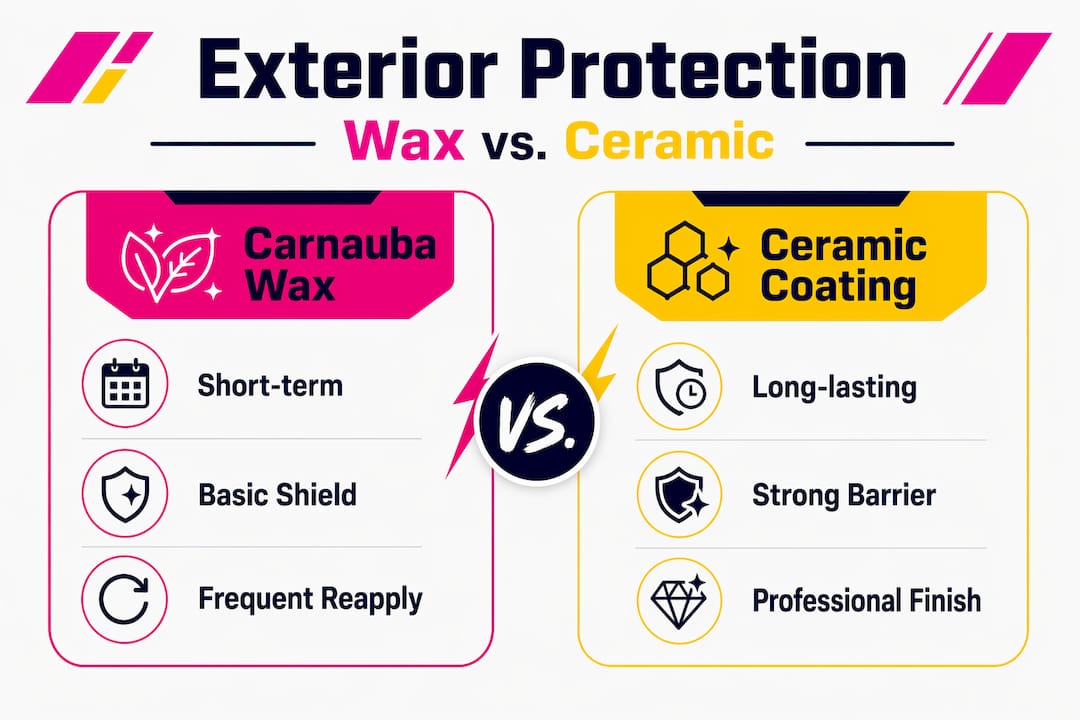
| Protection Method | Durability | Protection Level | Best For |
|---|---|---|---|
| Carnauba wax | 4 to 8 weeks | Low to moderate | Short-term shine |
| Synthetic paint sealant | 3 to 6 months | Moderate | Seasonal protection |
| Ceramic coating | 2 to 5 years | High | Long-term UV and chemical resistance |
| Paint protection film (PPF) | 5 to 10 years | Very high | Physical impact and scratch defense |
| Ceramic coating + PPF combined | 5 to 10 years | Maximum | Comprehensive exterior preservation |
Ceramic coating provides durable protection against UV, chemical stains, and minor scratches while maintaining the vehicle’s depth of color and clarity over time. The difference between a coated and uncoated vehicle is evident within one year of ownership under typical conditions.
Paint protection film adds a physical barrier that ceramic coating cannot provide. High-end cars benefit from the combined use of PPF and ceramic coating for maximum preservation of exterior surfaces. PPF absorbs stone chips and road debris, while the ceramic layer on top repels contaminants and simplifies maintenance cleaning. Proper surface preparation before applying protective films is critical to achieving a flawless, lasting result.
The most common exterior care mistake owners make is using automatic car washes with rotating brushes. Those brushes introduce micro-scratches across the entire painted surface, which accumulate into visible swirl patterns visible under direct sunlight. Hand washing with a pH-neutral car shampoo, two-bucket technique, and microfiber wash media is the correct approach for a preserved vehicle.
Pro Tip: Schedule professional paint decontamination and inspection every six months regardless of how clean the car looks. Iron contamination from brake dust embeds itself into paint and coatings invisibly. Removing it before it causes staining is far easier than treating established damage.
Protecting paint from environmental damage extends beyond washing technique. Tree sap, bird droppings, and industrial fallout are chemically aggressive and should be removed within hours of contact, not days.
A practical preservation workflow
Understanding the principles is the starting point. Applying them consistently is what actually protects the vehicle over time. Here is a structured workflow that integrates maintenance, storage, and protection into a manageable routine.
- Establish a baseline condition report. Document the vehicle’s current condition with photographs and written notes before beginning any preservation program. This is your reference point.
- Schedule all manufacturer-recommended service intervals in advance. Do not wait for reminders. Pre-schedule the next appointment at every service visit.
- Assess and address storage conditions before each extended period of inactivity. Confirm climate control is functioning, apply fuel stabilizer if needed, connect a battery tender, and cover the vehicle appropriately.
- Conduct monthly visual inspections during storage. Look for signs of fluid leaks, tire flat-spotting, and any new surface contamination. Catching problems early costs far less than addressing them after months of neglect.
- Follow a professional detailing schedule tied to coating type. Ceramic-coated vehicles benefit from a maintenance detail every four to six months. Uncoated vehicles need attention more frequently.
- Document every treatment, product, and service. A detailed preservation workflow log creates a transparent ownership history that directly supports resale value and collector credibility.
- Re-evaluate protection status annually. Ceramic coatings degrade over time. PPF can yellow or lift at edges. An annual professional assessment determines when reapplication or correction is needed.
This kind of structured approach to high-value car upkeep separates owners who maintain their vehicle’s value from those who unknowingly erode it year by year.
My perspective on what preservation really demands
I have worked with a significant number of high-end vehicles over the years, and I have seen one pattern repeat itself consistently. Owners who spend the most on flashy modifications and aggressive full restorations often end up with vehicles worth less, not more. The collector market increasingly rewards evidence of care and originality over cosmetic perfection.
What I have found actually matters is patience. It takes discipline to leave a car’s original paint alone when it shows age. Most owners feel an instinct to fix, polish, and renew every imperfection. That instinct, applied without restraint, erases the history that makes a vehicle genuinely valuable.
The other thing I will say plainly: storage is consistently underestimated. I have seen vehicles stored in residential garages for a few years come out with leather that has dried and cracked, electronics that behave erratically, and rubber seals that have failed silently. The damage from inadequate storage conditions can accumulate invisibly and then present suddenly as a significant repair bill.
Embrace the preservation mindset early. The vehicles that hold their value and tell a coherent story to future buyers are the ones whose owners treated them with respect and recorded every detail of that care.
— Emmanuel
How Mannyceramicprotouch protects your investment
Mannyceramicprotouch works exclusively with luxury, exotic, and high-value vehicles. The studio does not operate on volume. Every vehicle receives a tailored assessment and a protection plan built around its specific condition, usage pattern, and long-term preservation goals.
The studio specializes in Liquid Paint Protection Film and professional ceramic coating services applied with precision at every stage. For owners focused on best practices for car preservation, Mannyceramicprotouch also offers paint protection film solutions that provide the physical barrier your vehicle’s finish needs against daily road hazards. Both services are designed to work together, delivering maximum long-term protection without compromising the vehicle’s original character. If you are serious about preserving the condition and value of a high-end vehicle, contact Mannyceramicprotouch to schedule a consultation.
FAQ
What does high-end car preservation actually mean?
High-end car preservation is the practice of maintaining a luxury or collector vehicle in its original or peak condition through structured maintenance, proper storage, and advanced surface protection. It prioritizes retaining original components over replacement or restoration.
How often should a luxury car be professionally detailed?
Ceramic-coated luxury vehicles benefit from a professional maintenance detail every four to six months. Vehicles without protective coatings require more frequent attention to prevent paint contamination and surface degradation.
Is ceramic coating worth it for luxury vehicles?
Yes. Ceramic coating provides durable UV, chemical, and scratch resistance that traditional wax cannot match, with a service life of two to five years under normal conditions.
What storage conditions does a luxury car need?
Climate-controlled storage with humidity below 50% and stable temperatures between 50°F and 70°F is the minimum standard for preserving leather, electronics, and mechanical components during extended inactivity.
How does paint protection film differ from ceramic coating?
Paint protection film is a physical barrier that absorbs stone chips and road debris, while ceramic coating is a chemical bond that repels contaminants and maintains surface clarity. Combined use provides maximum exterior protection for high-end vehicles.