

TL;DR:
- Traditional waxing damages automotive paint through micro-scratches and chemical reactions, leading to surface deterioration. Modern protection methods like ceramic coatings and Liquid PPF provide durable, chemical-resistant barriers that outperform wax and reduce maintenance costs. Regular inspection and proper cleaning extend the life of these advanced coatings, eliminating the need for repetitive waxing.
Traditional waxing is defined as a surface treatment method that applies carnauba or synthetic wax compounds to automotive paint, requiring repeated removal and reapplication every three to six weeks. Car owners who rely on this approach expose their vehicle’s clear coat to cumulative mechanical trauma, chemical residues, and accelerating surface degradation. The risks of skipping waxing are far outweighed by the risks of continuing it. Modern protection technologies, including ceramic coatings and Liquid Paint Protection Film (Liquid PPF), deliver durable, chemical-resistant barriers that wax physically cannot replicate. Understanding why avoid traditional waxing starts with knowing exactly what wax does to your paint over time.
What are the main dangers of traditional waxing on vehicles?
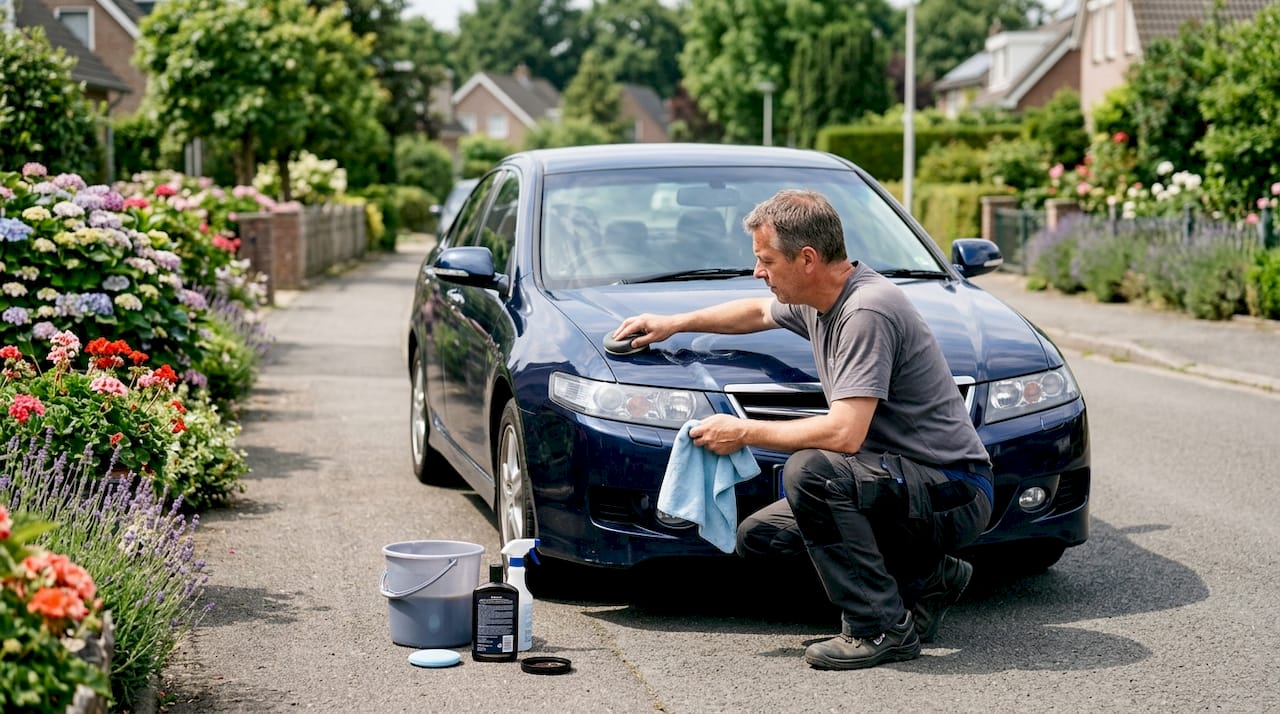
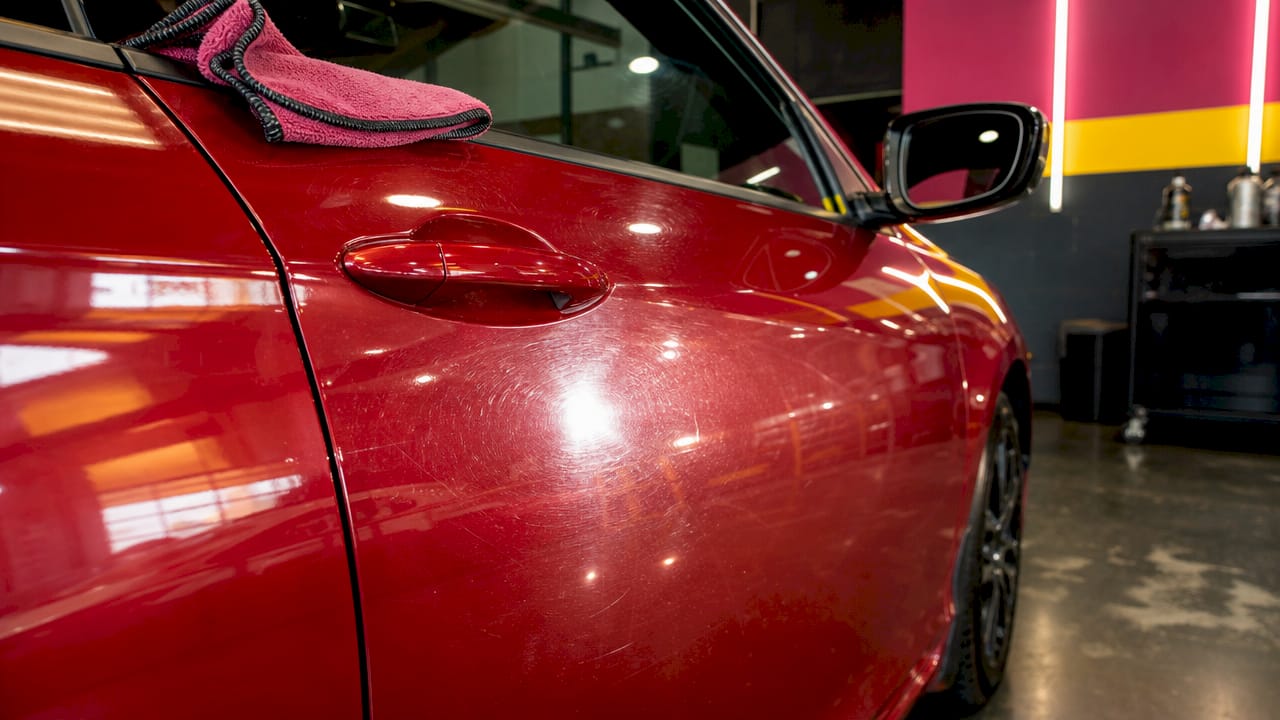
Traditional waxing damages paint through two mechanisms: mechanical abrasion and chemical exposure. Every application and removal cycle drags a cloth or pad across the clear coat, introducing micro-scratches that accumulate into visible swirl marks and surface dulling. This is not a theory. Waxing mechanically disrupts the paint surface microstructure with each application, gradually reducing gloss and increasing micro-scratch prevalence.
The chemical side of the problem is equally serious. Many wax formulas contain synthetic additives and solvents that interact with the clear coat over time. Environmental contaminants combined with abrasive wax residue accelerate paint layer oxidation and deterioration, undermining surface integrity faster than a properly protected finish would experience. That means every wax session compounds the damage from the last one.
The maintenance frequency compounds the financial and physical toll. Waxing requires ongoing application every few weeks, leading to cumulative labor costs and a rising risk of abrasive damage with each session. For owners of luxury or high-value vehicles, this cycle is particularly costly because the paint correction required to reverse swirl mark damage runs into hundreds or thousands of dollars.
The key dangers of traditional waxing on automotive surfaces include:
- Micro-scratch accumulation: Repeated application and removal creates swirl marks visible under direct light.
- Clear coat chemical degradation: Synthetic wax additives react with the clear coat, reducing its UV resistance over time.
- Oxidation acceleration: Wax residue traps environmental contaminants against the paint surface, speeding up oxidation.
- High maintenance cost: Reapplication every three to six weeks generates significant labor and product expense annually.
- UV vulnerability: Improper waxing introduces micro-abrasions and chemical residues that intensify UV damage and reduce paint longevity.
Pro Tip: Inspect your paint under a single-point light source after each wax session. If you see circular swirl patterns, the waxing process itself is causing the damage you are trying to prevent.
How does traditional waxing compare to advanced car protection methods?
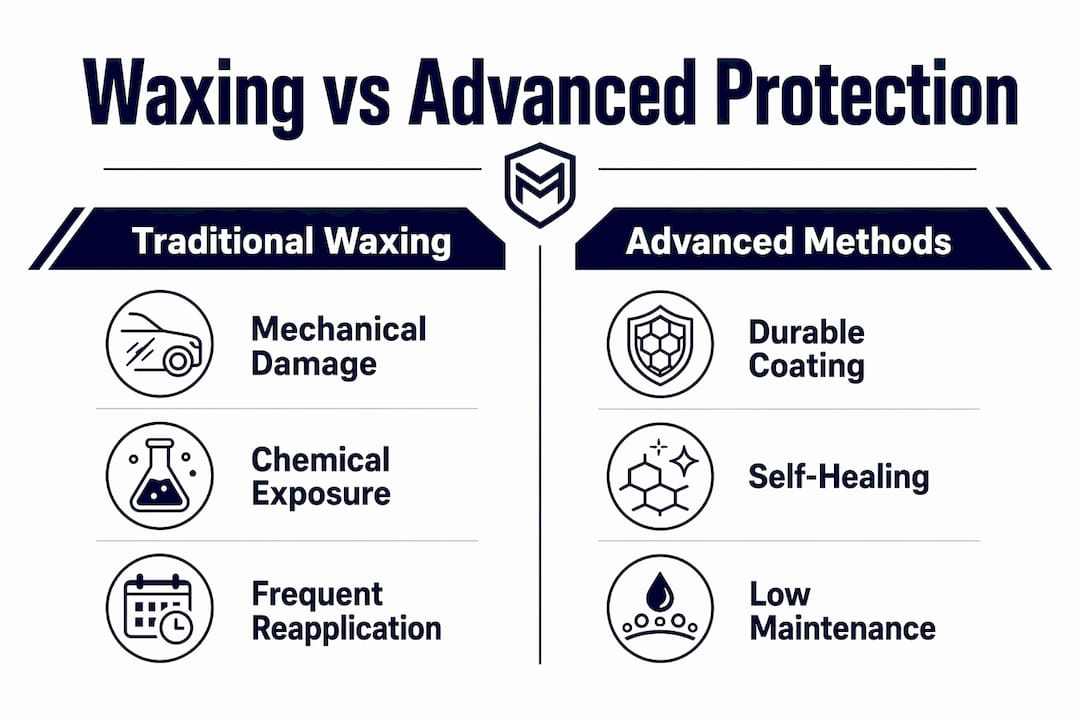
Ceramic coatings and Liquid PPF operate on a fundamentally different principle than wax. Wax sits on top of the paint as a soft, temporary layer. Ceramic coatings form a stable chemical bond with the clear coat, creating a hard, hydrophobic surface that resists scratches, chemical attack, and UV radiation. Ceramic coatings provide superior long-term paint protection compared to waxing, with less maintenance and better surface durability. That durability translates directly into lower total cost of ownership.
Liquid PPF takes protection a step further. It applies as a liquid and cures into a flexible, self-healing film that shields the paint against rock chips, fine scratches, and environmental hazards. Liquid PPF technology shields surfaces for months or years, reducing the need for abrasive or chemical maintenance. Unlike wax, Liquid PPF does not require removal and reapplication cycles that stress the paint.
The maintenance comparison is stark. A properly applied ceramic coating requires only periodic washing with pH-balanced products to maintain its performance. Wax demands reapplication every three to six weeks, which means 8–17 sessions per year versus one professional coating application that lasts years.
| Protection method | Durability | Reapplication frequency | Surface barrier type |
|---|---|---|---|
| Traditional wax | 3–6 weeks | 8–17 times per year | Soft, temporary layer |
| Ceramic coating | 2–5 years | Once per coating cycle | Hard chemical bond |
| Liquid PPF | 1–3 years | Once per coating cycle | Flexible self-healing film |
Pro Tip: When evaluating protection methods, calculate the total annual cost including labor, product, and paint correction. Ceramic coatings and Liquid PPF consistently outperform wax on a per-year cost basis when paint correction expenses are included.
Professional application and maintenance optimize coating performance, outperforming the waxing approach with fewer risks. The difference is not marginal. It is structural.
What are the best practices for maintaining vehicle appearance without waxing?
Dropping wax from your maintenance routine requires replacing it with a structured, coating-compatible care program. The following practices protect your finish without the risks that come with traditional waxing.
-
Wash with pH-balanced products. Standard car wash soaps can strip ceramic coating hydrophobic properties. Use a pH-neutral shampoo specifically formulated for coated surfaces. Using pH-balanced cleaners and avoiding abrasive methods maintains coating performance and finish aesthetics over the long term.
-
Apply a professional-grade ceramic coating. A professionally applied ceramic coating bonds chemically to the clear coat and provides years of protection. This eliminates the need for wax entirely and reduces maintenance to periodic washing and annual inspection.
-
Consider Liquid PPF for high-impact zones. The front bumper, hood leading edge, and door edges take the most physical abuse. Liquid PPF applied to these areas provides a self-healing barrier that wax cannot offer.
-
Conduct regular visual inspections. Check the paint surface under direct light every 30 days. Early detection of chips, contamination, or coating wear allows for targeted correction before damage spreads.
-
Avoid abrasive cleaning tools. Automatic car washes with rotating brushes, stiff-bristle wash mitts, and dry wiping all introduce the same micro-scratch damage that waxing causes. Use a soft microfiber wash mitt and the two-bucket wash method.
-
Decontaminate the surface twice per year. Iron fallout and industrial contamination bond to paint and coatings. A clay bar or iron decontamination spray removes these particles without abrasion, keeping the coating surface clean and functional.
The goal is a maintenance routine that protects the coating rather than working against it. Every product and tool choice should be evaluated against one question: will this damage or degrade the protective layer?
What common myths about waxing should vehicle owners reject?
The most persistent myth in automotive care is that wax provides real paint protection. Wax provides a temporary cosmetic improvement. It does not form a meaningful barrier against rock chips, UV radiation, or chemical contamination. Waxing layers do not protect and instead encourage damage through repeated abrasion and chemical exposure. Believing otherwise leads car owners to invest time and money in a process that actively degrades the surface they are trying to protect.
A second myth holds that more wax layers equal more protection. Adding layers of wax does not compound the protective effect. Each additional layer requires another removal cycle, which means another round of mechanical abrasion across the clear coat. The net result is more damage, not more protection.
“Wax gives your paint a temporary shine, but every application and removal cycle is a controlled abrasion event. Over months and years, those events add up to a paint surface that looks progressively worse despite consistent maintenance.”
A third myth is that waxing is the affordable option. When car owners account for product cost, labor time, and the eventual paint correction bill required to reverse swirl mark damage, waxing is frequently the most expensive long-term choice. Ceramic coatings and Liquid PPF carry a higher upfront cost but eliminate the recurring expense and the damage that drives correction costs.
- Wax does not stop rock chips or physical impact damage.
- Wax does not provide meaningful UV protection compared to a ceramic coating.
- Frequent waxing accelerates clear coat wear, not preservation.
- Alternative coatings are more cost-effective over a two to five year period.
Key Takeaways
Traditional waxing degrades automotive paint through repeated mechanical abrasion and chemical exposure, making ceramic coatings and Liquid PPF the superior long-term protection choice for any vehicle owner who values finish integrity.
| Point | Details |
|---|---|
| Wax causes micro-scratch buildup | Each application and removal cycle introduces abrasion that accumulates into visible swirl marks. |
| Chemical additives accelerate oxidation | Wax residue traps contaminants against the paint, speeding up clear coat deterioration. |
| Ceramic coatings outlast wax significantly | A professional ceramic coating lasts 2–5 years versus 3–6 weeks for a wax application. |
| Liquid PPF adds physical impact defense | Self-healing Liquid PPF protects high-impact zones that wax cannot shield against chips or scratches. |
| pH-balanced maintenance preserves coatings | Using coating-compatible wash products maintains protection without the risks of waxing. |
What I have learned after years of working on high-value paint finishes
Car owners ask me regularly whether they should keep waxing between professional services. My answer is always the same: no. Not because waxing is ineffective at creating a temporary shine, but because it actively works against the protection that a properly applied coating provides.
The vehicles I see with the most paint correction work needed are not neglected cars. They are cars that were waxed consistently, sometimes obsessively, by owners who genuinely cared about their finish. The swirl marks and clear coat thinning on those vehicles came directly from the waxing process. That is a hard truth for enthusiasts who grew up treating wax as the gold standard of car care.
What I advocate for is a one-time investment in professional-grade protection followed by a simple, coating-compatible maintenance routine. The vehicles that hold their finish quality over five or ten years are the ones that received a ceramic coating or Liquid PPF early and were never waxed again. The math on long-term preservation always favors the coating approach.
— Emmanuel
Advanced surface protection from Mannyceramicprotouch
Mannyceramicprotouch specializes in professional ceramic coatings and Liquid PPF for luxury, exotic, and high-value vehicles in the Fort Lauderdale area. Every service is applied with a quality-first process designed to eliminate the risks that traditional waxing creates.
For car owners ready to move beyond wax, Mannyceramicprotouch offers Liquid PPF solutions that provide durable, self-healing protection without abrasive maintenance cycles. The studio also offers ceramic coating packages engineered to bond with your paint and deliver years of protection from a single professional application. Every vehicle receives a tailored protection strategy built around its specific finish, use conditions, and long-term preservation goals.
FAQ
Why is traditional waxing bad for car paint?
Traditional waxing introduces micro-scratches through repeated application and removal cycles, and its chemical additives accelerate clear coat oxidation over time. These effects compound with each session, gradually degrading the paint surface rather than protecting it.
How long does ceramic coating last compared to wax?
A professionally applied ceramic coating lasts 2–5 years, while traditional wax requires reapplication every 3–6 weeks. That difference in durability makes ceramic coatings significantly more cost-effective over a multi-year period.
What is Liquid PPF and how does it differ from wax?
Liquid PPF is a polymer-based protective film applied as a liquid and cured onto the paint surface, forming a flexible, self-healing barrier against rock chips, scratches, and environmental damage. Wax provides only a temporary cosmetic layer with no meaningful physical impact protection.
Can I wax over a ceramic coating?
Waxing over a ceramic coating degrades the coating’s hydrophobic properties and introduces abrasion that reduces its bonding integrity. Coating manufacturers and professional applicators consistently advise against it.
What should I use instead of wax for routine car care?
Use a pH-balanced car shampoo, a soft microfiber wash mitt, and the two-bucket wash method for routine maintenance. For long-term protection, a professional ceramic coating or Liquid PPF eliminates the need for wax entirely.