

TL;DR:
- Professional detailing enhances a vehicle’s market worth by preserving factory finishes and preventing surface degradation. Regular cycles of decontamination and protection can increase resale value by up to 20%, especially for luxury and collector cars. Consistent surface care maintains condition, appraisals, and sale speed, making it a crucial long-term investment.
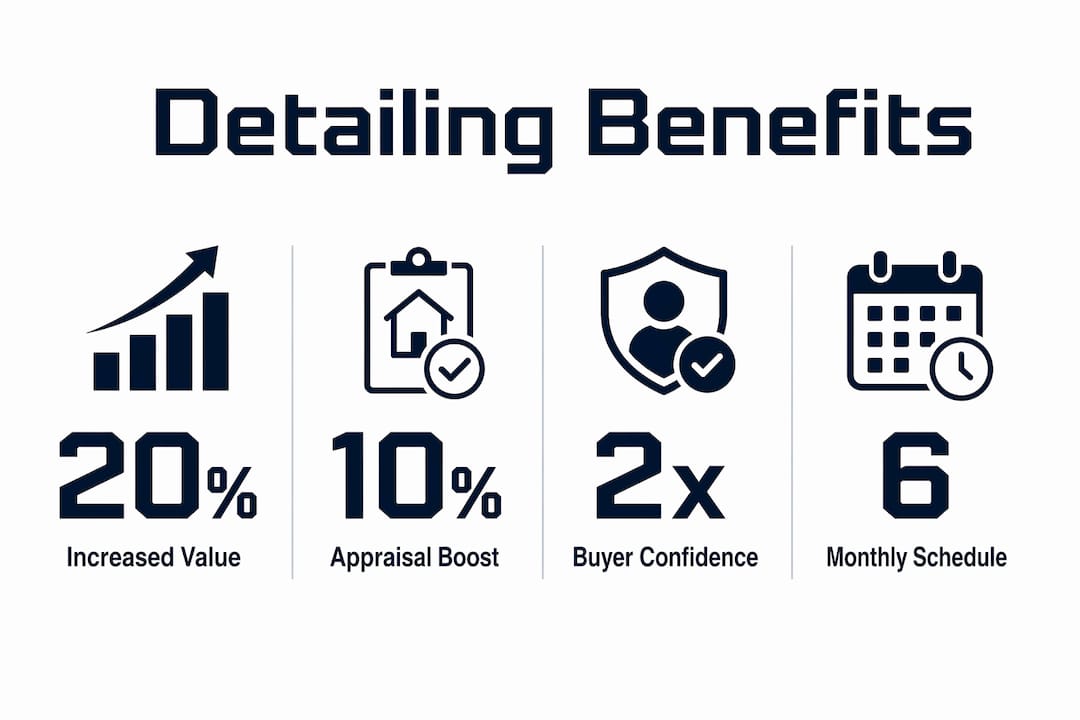
Professional detailing is defined as a technical decontamination and surface preservation process that directly maintains and increases a vehicle’s market worth. The role of detailing in asset value goes well beyond aesthetics. Research shows professional detailing can boost resale value by 10–20%, adding thousands of dollars in equity to high-value vehicles. For luxury car owners and collectors, detailing is not a cosmetic luxury. It is a structured maintenance discipline that protects factory finishes, preserves provenance, and directly influences appraisal outcomes.
How does detailing affect the role of asset value protection?
Detailing is primarily a technical decontamination process, not a cosmetic one. Preserved factory finish is the single most critical factor for long-term asset value among serious collectors. When that finish degrades, no amount of polish restores what was lost at the molecular level.
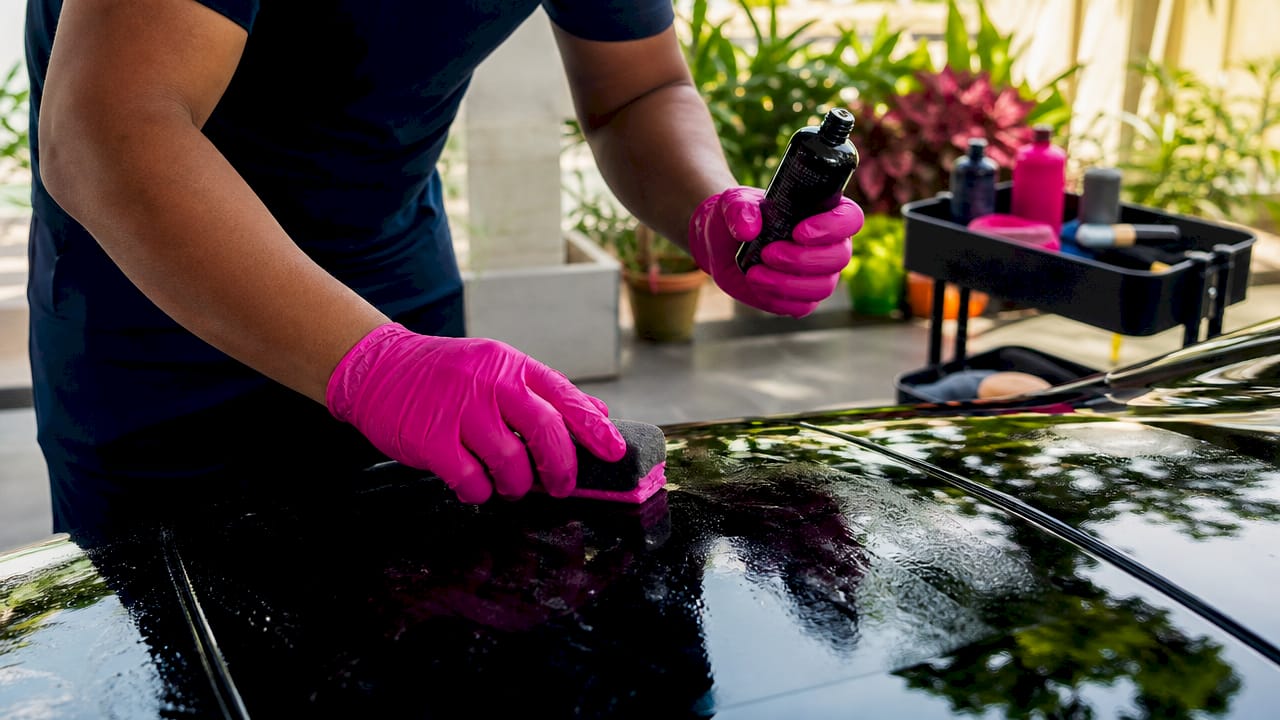
The decontamination stage removes bonded contaminants that standard washing cannot reach. Iron fallout and brake dust embed themselves inside clear coat pores, causing micro-pitting and oxidation over time. Left untreated, these contaminants accelerate surface degradation and permanently reduce paint clarity.
Surface correction follows decontamination. A trained technician uses machine polishing to remove swirl marks, light scratches, and oxidation before applying a protective layer. The goal is to restore the surface to its closest possible factory state without removing excess paint thickness. Removing too much paint is irreversible and reduces the vehicle’s collector value.
Here is what a complete professional detailing process addresses:
- Paint decontamination: Chemical iron removers and clay bar treatments dissolve and lift bonded fallout from the clear coat
- Paint correction: Machine polishing removes surface defects without compromising factory paint thickness
- Clear coat protection: Ceramic coatings or paint protection film (PPF) seal the corrected surface against future contamination
- Interior decontamination: High-temperature dry steam eliminates bacteria and odors at the molecular level without harsh chemicals
- Leather and trim preservation: Conditioning agents prevent cracking and fading in interior materials that appraisers inspect closely
- Engine bay cleaning: Degreasing and detailing the engine bay signals mechanical care to buyers and appraisers
Pro Tip: Never skip the decontamination stage before paint correction. Polishing over bonded iron particles grinds them deeper into the clear coat, creating permanent micro-scratches that reduce gloss and surface value.
How does detailing impact buyer perception and resale value?
A professionally detailed vehicle signals pride of ownership. Buyer confidence increases when a vehicle presents cleanly because cleanliness functions as a proxy for overall maintenance history. Buyers and appraisers make rapid judgments based on visual condition, and those judgments translate directly into offer prices.
The numbers are specific. Shifting a vehicle from “Good” to “Excellent” condition through professional surface restoration can increase market value by 15–20%. That range represents real money on a $150,000 exotic or a $300,000 collector car. Swirl marks, faded trim, and stained interiors create what appraisers call “visual friction,” and each friction point reduces the final offer.
Engine bay condition carries particular weight in formal appraisals. Immaculate engine bays can add up to 10% to a vehicle’s appraised value because a clean bay signals that the owner maintained mechanical systems with the same care as the exterior. Appraisers treat it as a reliable indicator of how the vehicle was serviced overall.
The detailing impact on value also shows up in sale speed. Detailed vehicles close faster at private party and dealer auctions because buyers perceive lower risk. A vehicle that looks neglected forces buyers to price in potential hidden problems, even when none exist.
Key buyer perception factors that detailing directly influences:
- Paint condition: Swirl-free, glossy paint signals careful ownership and commands premium pricing
- Interior freshness: Clean, odor-free cabins reduce perceived age and increase buyer comfort
- Engine bay presentation: Clean bays correlate with disciplined maintenance records in buyer psychology
- Glass and trim clarity: Hazy glass and oxidized trim signal deferred maintenance and reduce offers
What is the right detailing schedule for long-term asset protection?
Detailing frequency determines whether protection is maintained or merely restored. Twice-annual detailing cycles are the professional standard, timed to fall and spring to address the two most damaging seasonal contaminant cycles. Skipping cycles allows contaminants to crystallize and bond more deeply, requiring more aggressive correction later.
A structured annual detailing schedule looks like this:
- Fall detail (pre-winter): Full decontamination, paint correction if needed, and application of a protective coating before road salt season begins. This creates a barrier between the finish and winter brine.
- Spring detail (post-winter): Removal of salt residue, road brine, and winter grime that has accumulated on painted surfaces, wheel wells, and undercarriage components. This prevents corrosion from continuing after the season ends.
- Quarterly maintenance washes: Hand washing with pH-neutral products to remove surface contamination without stripping protective coatings between full detail cycles.
- Annual interior decontamination: Dry steam treatment to sanitize upholstery, eliminate odors, and preserve leather and fabric materials that affect interior appraisal scores.
Deferring proper detailing creates a compounding problem. Cumulative damage from deferred care forces technicians to use more aggressive polishing compounds, which remove more factory paint thickness with each correction cycle. Once factory paint is gone, the vehicle loses a measurable portion of its collector value permanently.
Pro Tip: Track your detailing history in writing. Documented service records for detailing and surface protection carry real weight in private sales and formal appraisals, especially for collector vehicles where provenance matters.
What advanced detailing strategies protect luxury vehicle assets?
High-end collectors prioritize factory finish integrity and provenance over surface aesthetics alone. Advanced detailing strategies address this by combining protective chemistry with precision application to extend the life of original finishes without altering them.
Ceramic coatings form a semi-permanent hydrophobic layer over corrected paint. Graphene-based ceramic formulas offer higher heat resistance and improved water behavior compared to standard SiO2 coatings. Both technologies reduce the frequency of contamination bonding, which means less aggressive correction is needed at each service interval. That directly preserves paint thickness over the vehicle’s lifetime.
Paint protection film (PPF) adds a physical barrier that ceramic coatings cannot provide. Traditional PPF uses a thick thermoplastic urethane film applied to high-impact zones like the hood, front bumper, and mirror caps. Liquid PPF, a newer category, applies as a sprayable polymer that cures to a flexible, self-healing layer across larger surface areas. Mannyceramicprotouch specializes in both approaches, treating each vehicle as a distinct preservation project rather than a volume service.
| Protection method | Primary benefit | Best application |
|---|---|---|
| Ceramic coating | Hydrophobic surface, UV resistance | Full-body paint protection and gloss retention |
| Traditional PPF | Physical impact resistance | High-impact zones: hood, bumper, mirrors |
| Liquid PPF | Flexible full-body coverage | Larger panels requiring seamless protection |
| Dry steam decontamination | Interior sanitization | Upholstery, vents, leather surfaces |
Interior microbiological decontamination deserves equal attention. Bacteria, mold spores, and odor compounds degrade leather, fabric, and trim materials over time. Steam treatment at high temperatures neutralizes these agents without introducing moisture that could cause further damage. For older collector vehicles, interior condition often determines the difference between a “Good” and “Excellent” rating at auction.
Key Takeaways
Consistent, technically sound detailing is the most direct investment a luxury vehicle owner can make to protect and increase long-term market value.
| Point | Details |
|---|---|
| Detailing boosts resale value | Professional surface restoration can increase market value by 10–20% through condition improvement. |
| Decontamination prevents permanent damage | Iron fallout and bonded contaminants cause micro-pitting that reduces paint clarity and collector value. |
| Twice-annual cycles are the standard | Fall and spring detailing targets the two most damaging seasonal contaminant cycles. |
| Engine bay condition affects appraisals | A clean engine bay can add up to 10% to appraised value by signaling disciplined mechanical care. |
| Advanced coatings extend protection intervals | Ceramic coatings and PPF reduce contamination bonding, preserving factory paint thickness over time. |
Detailing as a financial discipline, not a finishing touch
I have worked with enough luxury and collector vehicles to say this plainly: most owners underestimate detailing until they see what deferred care costs them at resale. The vehicles that hold value best are not always the rarest or the lowest mileage. They are the ones with documented, consistent surface care from the first year of ownership.
The misconception I encounter most often is that detailing is something you do before selling. That thinking is exactly backward. By the time a vehicle reaches pre-sale preparation, the window for preserving factory paint thickness has often already closed. Aggressive correction at that stage removes material that cannot be replaced. The car preservation workflow that actually protects value starts at acquisition, not at disposition.
What I have observed consistently is that collectors who treat detailing as a maintenance cycle, the same way they treat fluid changes or tire rotation, retain significantly more of their vehicle’s original condition. That condition translates directly into stronger appraisals, faster sales, and higher closing prices. The financial case for regular detailing is not theoretical. It shows up in the numbers every time.
— Emmanuel
Advanced surface protection for your luxury vehicle
Mannyceramicprotouch provides premium surface preservation for luxury, exotic, and high-value vehicles in Fort Lauderdale. The studio focuses on Liquid PPF and high-performance ceramic coatings applied through a quality-first process designed for owners who expect long-term results.
Every vehicle receives a tailored protection strategy based on its current condition, ownership history, and collector goals. Whether you are protecting a daily-driven exotic or a garage-kept collector car, the right paint protection solution preserves factory finish integrity and supports long-term asset value. Contact Mannyceramicprotouch to schedule a consultation and build a protection plan for your vehicle.
FAQ
How much can detailing increase a car’s resale value?
Professional detailing can increase a vehicle’s resale value by 10–20%, with surface restoration from “Good” to “Excellent” condition representing the largest single value gain.
How often should a luxury vehicle be professionally detailed?
Twice annually is the professional standard, with fall and spring timing targeting the most damaging seasonal contaminant cycles. Quarterly maintenance washes maintain protection between full detail cycles.
Does engine bay detailing affect appraisal value?
A clean engine bay can add up to 10% to a vehicle’s appraised value because appraisers treat bay cleanliness as a reliable indicator of overall mechanical care and maintenance history.
What is the difference between ceramic coating and paint protection film?
Ceramic coatings create a hydrophobic chemical layer that resists contamination and UV damage, while paint protection film provides a physical barrier against rock chips and abrasion. Both protect factory paint but address different types of damage.
Why does deferred detailing reduce collector vehicle value permanently?
Deferred care allows contaminants to bond deeply, requiring aggressive polishing to correct. Each aggressive correction cycle removes factory paint thickness that cannot be restored, permanently reducing the vehicle’s collector grade and market value.
Recommended
- Maintenance detailing guide for luxury car owners – Many Ceramic Pro Touch
- Defining asset protection for cars: a luxury owner’s guide – Many Ceramic Pro Touch
- Detailing Checklist for Dealerships: 2026 Guide – Many Ceramic Pro Touch
- Advanced Detailing Procedures: Expert Guide for 2026 – Many Ceramic Pro Touch