

TL;DR:
- Scratch resistance protects the vehicle’s finish and market value by withstanding abrasive contact without visible damage. Proper maintenance and selecting the right coating, such as Liquid PPF or ceramic, are essential for preserving durability and appearance over time. Regular professional inspections and correct cleaning techniques significantly extend a coated vehicle’s scratch resistance and overall finish quality.
Scratch resistance is defined as a surface’s ability to withstand abrasive contact without visible damage to its finish, color depth, or structural integrity. For owners of luxury, exotic, and high-value vehicles, the importance of scratch resistance goes well beyond aesthetics. A compromised finish signals neglect, reduces resale premiums, and accelerates paint degradation that no amount of polishing can fully reverse. This guide covers the science behind scratch-resistant materials, how protection is measured using standards like the 750g pencil hardness test, and how products including ceramic coatings and Liquid Paint Protection Film (Liquid PPF) translate lab performance into real-world durability.
Why scratch resistance matters for vehicle value
Scratch resistance directly protects two things: the visual quality of your vehicle and its market value. These are not separate concerns. Pristine paint integrity significantly impacts luxury car resale premiums, according to 2026 professional assessments. A vehicle with documented, original-condition paint commands a measurably higher price than an identical model with visible surface wear.
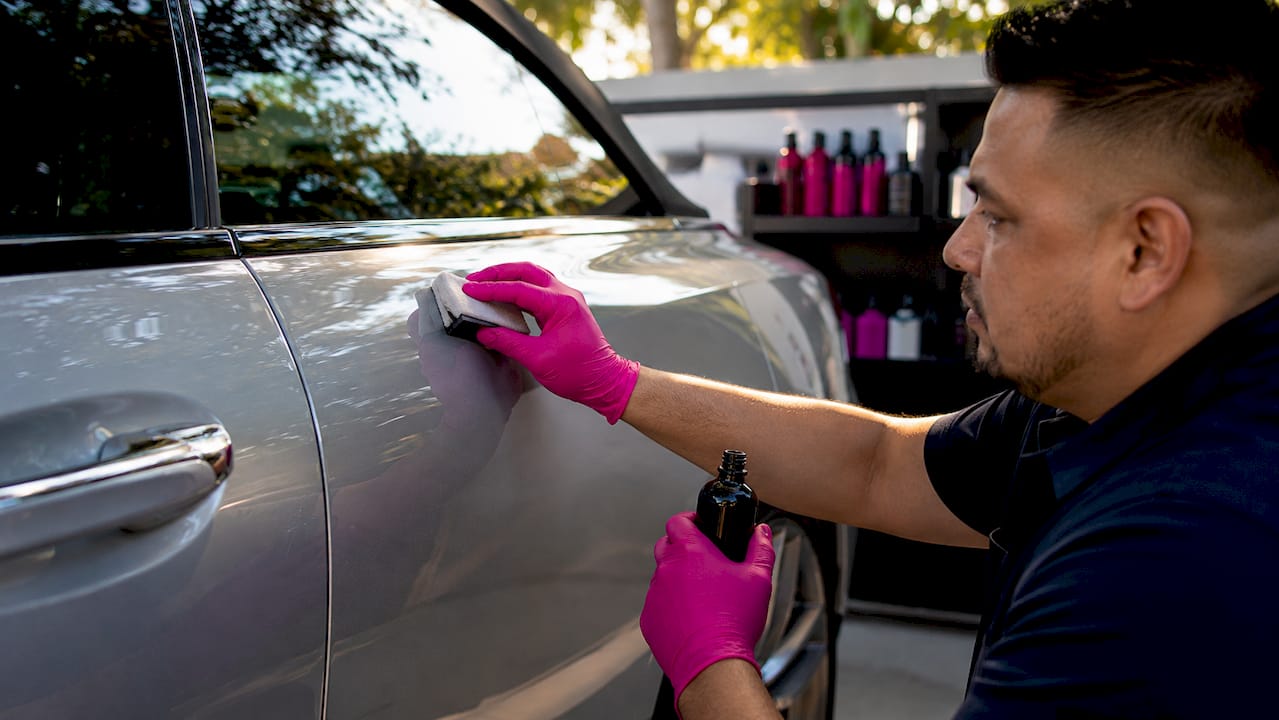
The financial case for durable finishes is straightforward. Buyers in the luxury and exotic market inspect paint condition closely, and any sign of micro-marring, swirl marks, or clear coat damage triggers price negotiations or outright disqualification. Protecting the finish from day one is not a cosmetic preference. It is an asset management decision.
Beyond resale, scratch-resistant finishes reduce the frequency and cost of corrective detailing. High-performance treatments reduce the need for detailing and polishing by up to 65% in high-exposure environments. That figure represents real savings in time, money, and paint thickness over the life of the vehicle.
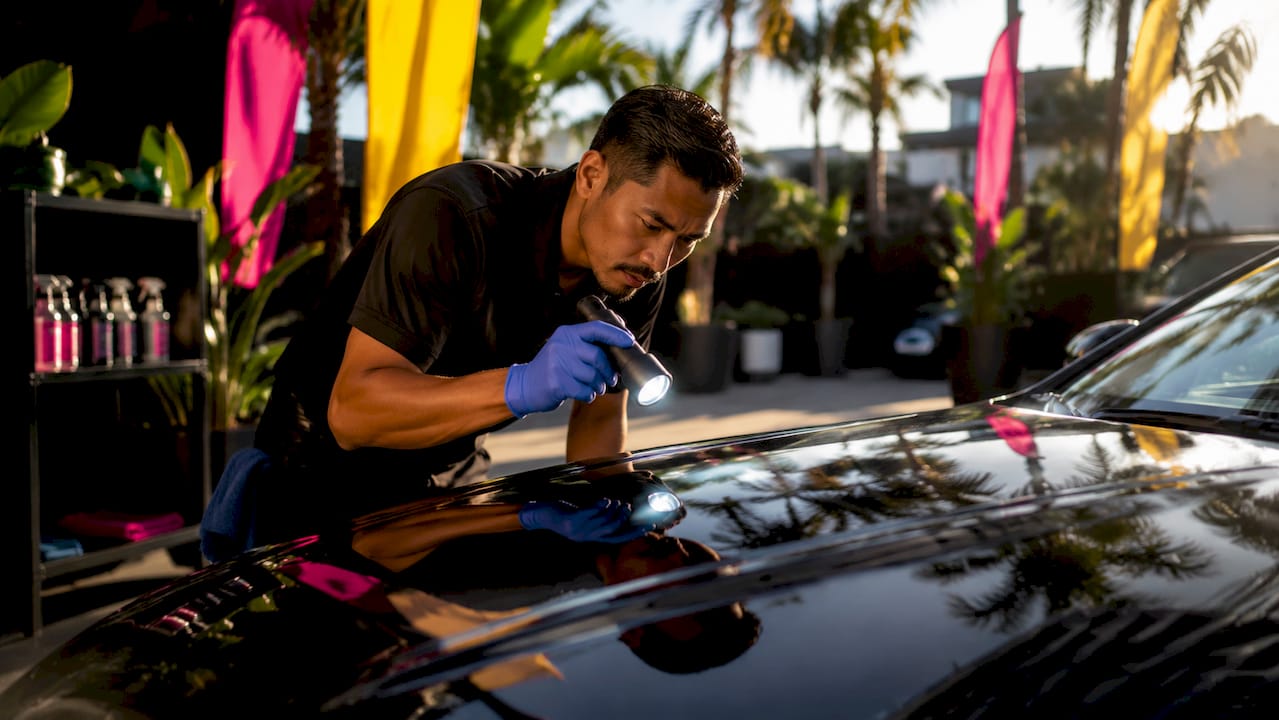
Micro-abrasions also affect how light interacts with the surface. Scratches scatter light and reduce optical clarity, which diminishes the visual depth and contrast that define a luxury finish. Professional-grade coatings maintain that depth longer than unprotected paint. The difference is visible in direct sunlight, and it is the first thing a trained eye notices.
Pro Tip: Schedule a professional paint inspection every six months, even on coated vehicles. Catching micro-marring early prevents it from compounding into deeper clear coat damage that requires wet sanding to correct.
How is scratch resistance measured and tested?
Scratch resistance is measured objectively using load-based tests that define the threshold at which a surface shows its first visible change. The most common method applies a standardized 750g load using a pencil hardness instrument across the coated surface. The result identifies the minimum force required to produce a visible scratch, giving engineers and buyers a repeatable benchmark for comparison.
Understanding the difference between scratch, mar, and scuff resistance matters when evaluating automotive coatings. These are three distinct failure modes, and each tells a different story about a coating’s durability.
| Test Type | Failure Mode | What It Measures | Automotive Relevance |
|---|---|---|---|
| Scratch Test | Visible cut or groove | Force required to break surface | Rock chips, key marks, abrasive contact |
| Mar Test | Gloss loss or surface haze | Resistance to micro-abrasion | Wash swirls, light contact, cloth drag |
| Scuff Test | Repeated rubbing marks | Durability under sustained contact | Door edges, sleeve contact, parking lot wear |
Testing differentiates visible cuts, gloss haze, and repeated contact marks to give a more precise durability assessment. A coating that scores well on scratch tests but poorly on mar resistance will look dull after a season of regular washing. For daily-driven luxury vehicles, mar resistance is often the more practical metric.
These thresholds translate directly to real-world expectations. A coating rated to resist 750g of force without visible change will handle most parking lot contact and light debris. It will not stop a deliberate key scratch. Understanding what the numbers actually represent prevents unrealistic expectations and guides smarter product selection.
Hard coatings vs. self-healing polymers: what works better?
Scratch resistance is a durability threshold, not a guarantee of immunity. Material engineers emphasize extending a surface’s practical appearance life rather than claiming invulnerability. That distinction shapes how the best coatings are designed and why no single product type wins across all conditions.
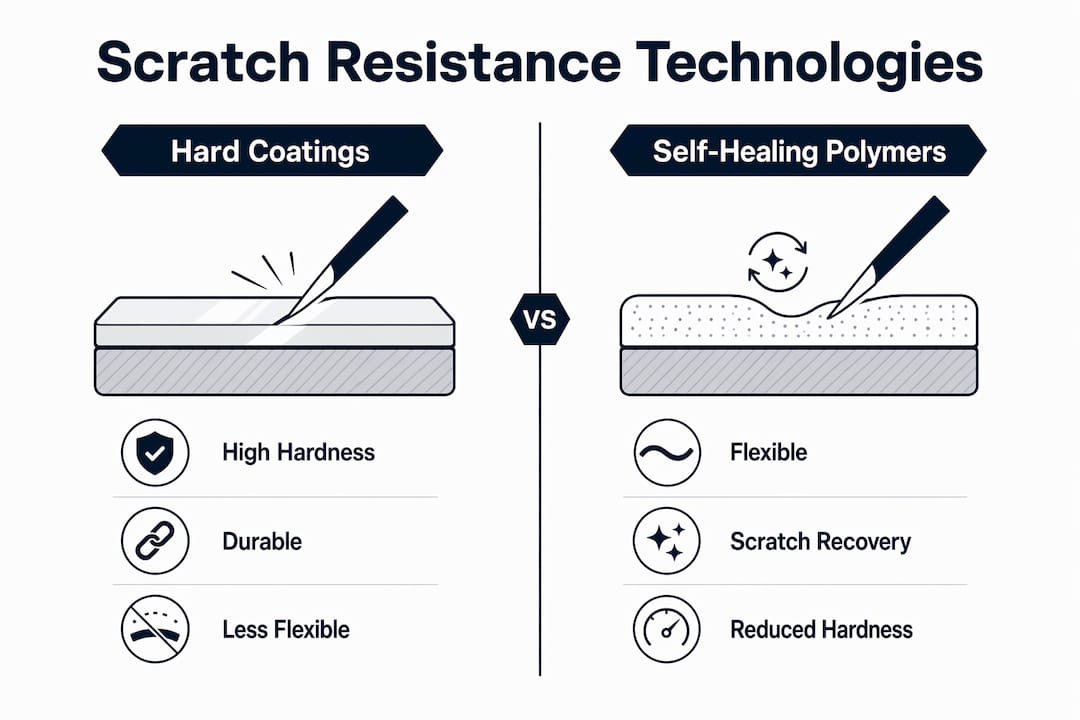
Two primary technologies define the current market: rigid hard coatings and flexible self-healing polymers. Self-healing coatings combine hardness with elasticity, allowing minor contact marks to recover before permanent marking occurs. Ceramic coatings lean toward hardness. Liquid PPF and traditional PPF incorporate elastomeric polymers that absorb and rebound from low-force impacts.
The “9H” hardness rating marketed by many ceramic coating brands is widely misunderstood. 9H ratings are relative measures on the pencil hardness scale, not absolute indicators of coating performance. Coating matrix density and bonding quality predict real-world durability more accurately than any single hardness number. A 9H coating with poor adhesion will delaminate under thermal expansion before a softer, well-bonded coating shows any failure.
Here is how the three primary protection types compare in practice:
- Ceramic Coating: High hardness rating, strong chemical resistance, excellent gloss retention. Limited self-healing capability. Best for vehicles in controlled environments with disciplined maintenance routines.
- Liquid PPF: Combines ceramic-level hardness with polymer flexibility. Offers self-healing properties for light contact marks. Suited for daily-driven vehicles exposed to road debris, parking lots, and varied weather.
- Traditional PPF: Thick elastomeric film with strong impact absorption. Excellent for high-impact zones like hoods and bumpers. Requires professional installation and periodic replacement as the film ages.
Harder coatings are not always better. Balance between hardness, adhesion, and flexibility prevents delamination and cracking, especially under the thermal expansion cycles that vehicles experience daily. The best protection matches the coating’s mechanical properties to the vehicle’s use environment.
Pro Tip: If your vehicle is a daily driver in an urban environment, prioritize Liquid PPF or a hybrid ceramic system over a pure hard-coat ceramic. The self-healing elasticity handles the micro-contact that city driving generates far better than hardness alone.
How to preserve scratch resistance after application
Applying a high-end coating is only half the equation. Over 80% of preventable surface degradation comes from improper cleaning techniques, including non-microfiber or unwashed towels. That statistic means most coating failures are maintenance failures, not product failures.
Surface micro-marring is cumulative. Each improper wash cycle deposits fine abrasive particles into the clear coat or coating surface, building up a web of swirl marks that dulls the finish over time. Disciplined maintenance and proper cleaning methods are critical to complement high-end coatings and preserve finish integrity. The coating raises the damage threshold, but it does not eliminate the need for correct technique.
Recommended cleaning practices for coated vehicles include the two-bucket wash method, pH-neutral shampoos formulated for coated surfaces, and dedicated microfiber wash mitts that are laundered after every use. Contactless pre-rinse with a pressure washer removes the majority of abrasive particles before any physical contact begins. This single step reduces mar risk significantly.
The following do’s and don’ts apply to any vehicle protected with ceramic coating, Liquid PPF, or traditional PPF:
- Do use a dedicated, clean microfiber wash mitt for every wash.
- Do rinse the vehicle thoroughly before making any physical contact with the surface.
- Do use a pH-neutral, coating-safe shampoo to avoid stripping protective layers.
- Do dry with a clean, high-pile microfiber drying towel or a forced-air blower.
- Don’t use automatic car washes with abrasive brushes or recycled water.
- Don’t wipe a dry or dusty surface with any cloth, regardless of material.
- Don’t apply wax or sealant products over ceramic coatings without verifying compatibility.
- Don’t skip periodic decontamination treatments to remove bonded iron particles and tar deposits.
Understanding environmental threats to automotive finishes also helps owners make smarter daily decisions, from parking location to seasonal care adjustments.
Key takeaways
Scratch resistance extends a vehicle’s visual and financial life by raising the damage threshold of its finish, but only when paired with correct maintenance and the right coating for the vehicle’s use environment.
| Point | Details |
|---|---|
| Scratch resistance protects value | Pristine paint integrity directly raises resale premiums in the luxury vehicle market. |
| Testing standards define real performance | The 750g pencil hardness test and mar/scuff tests reveal how a coating performs under actual use conditions. |
| 9H ratings are relative, not absolute | Bonding quality and matrix density predict real-world durability better than pencil hardness scores. |
| Maintenance determines coating longevity | Over 80% of surface degradation comes from improper cleaning, not coating failure. |
| Match coating type to vehicle use | Liquid PPF suits daily drivers; ceramic coatings excel in controlled, low-contact environments. |
What years of working with coated vehicles taught me
Most clients come to me focused on the product. They want to know which coating is hardest, which brand scores highest on the 9H scale, and whether Liquid PPF is worth the investment over traditional PPF. Those are reasonable questions, but they miss the more important variable: how the vehicle will be maintained after the coating goes on.
I have seen 9H-rated ceramic coatings look dull within eighteen months because the owner used an automatic car wash twice a month. I have also seen properly maintained Liquid PPF installations hold a near-flawless finish on a daily-driven vehicle for three years in South Florida heat. The coating matters. The maintenance matters more.
The other thing I tell every client is that no coating is scratch-proof. The goal is to extend the period a surface remains visually sound before irreversible damage occurs. A quality coating buys you time and raises the force required to cause visible damage. It does not make your vehicle immune to a shopping cart or road debris at highway speed.
Professional application also matters in ways that DIY products cannot replicate. Proper surface preparation before coating determines how well the product bonds to the paint. A coating applied over contaminated or unpolished paint will underperform regardless of its lab ratings. The prep work is where the real durability is built.
My honest recommendation: invest in the right coating for your actual driving habits, commit to a proper maintenance routine, and work with a professional who treats the prep phase as seriously as the application itself. That combination outperforms any single product decision.
— Emmanuel
Protect your vehicle with professional-grade solutions
Mannyceramicprotouch specializes in advanced surface preservation for luxury, exotic, and high-value vehicles in the Fort Lauderdale area. The studio offers Liquid PPF solutions engineered to combine ceramic-level hardness with self-healing polymer flexibility, providing durable protection against rock chips, micro-abrasions, and daily environmental wear. For vehicles that require a different approach, ceramic coating packages deliver high-gloss, chemically resistant finishes tailored to each vehicle’s condition and use profile. Every application begins with a thorough surface preparation process to maximize bonding and long-term performance. Contact Mannyceramicprotouch to discuss a custom protection strategy for your vehicle.
FAQ
What is scratch resistance in automotive coatings?
Scratch resistance is a coating’s ability to withstand abrasive contact without showing visible damage to the surface. It is measured using standardized load tests, such as the 750g pencil hardness test, to define the threshold at which a finish first shows visible change.
Does a 9h ceramic coating mean my car is scratch-proof?
No. The 9H rating is a relative measure on the pencil hardness scale, not an absolute indicator of scratch immunity. Coating bonding quality and matrix density are stronger predictors of real-world durability than the hardness number alone.
What is the difference between scratch, mar, and scuff resistance?
Scratch resistance measures resistance to visible cuts or grooves. Mar resistance measures resistance to gloss loss from micro-abrasion, such as wash swirls. Scuff resistance measures durability under repeated rubbing contact, such as sleeve or door edge wear.
How does improper washing damage a coated vehicle?
Over 80% of preventable surface degradation comes from improper cleaning techniques, including non-microfiber towels and unwashed cloths. These introduce abrasive particles that create cumulative micro-marring even on professionally coated surfaces.
Is liquid PPF better than ceramic coating for scratch protection?
Liquid PPF offers self-healing elasticity that recovers from minor contact marks, making it better suited for daily-driven vehicles in high-exposure environments. Ceramic coatings provide superior hardness and chemical resistance, making them the stronger choice for vehicles with controlled use and disciplined maintenance routines.
Recommended
- Elite scratch protection for your luxury car in Fort Lauderdale – Many Ceramic Pro Touch
- Why Surface Protection Extends Value for Luxury Cars – Many Ceramic Pro Touch
- UV protection for cars: preserve your luxury finish – Many Ceramic Pro Touch
- Luxury Car Asset Protection 2026: What Owners Must Know – Many Ceramic Pro Touch