

Interior Protection
Car interior protection involves using physical covers, UV blockers, and chemical sealants to shield your cabin against sun damage, liquid spills, and daily wear. Key methods include seat covers and floor mats, UV protectants and window tints, and fabric or leather ceramic coatings.
Benefits
- UV protection
- Spill resistance
- Stain resistance
- Easier maintenance
- Preserves factory appearance 🛋️🛡️
- Master Automotive Structure
Our Process
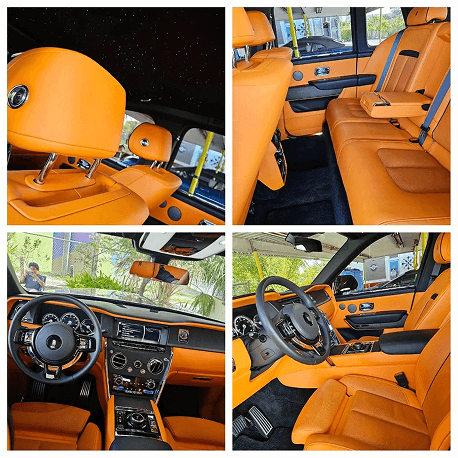
Leather Protection:
Protect your leather seats and surfaces with a premium coating that helps resist UV damage, stains, spills, and premature wear while preserving their soft, factory-fresh appearance.
Vinyl Protection:
Protect your vinyl surfaces with a durable coating that helps prevent UV fading, cracking, stains, and everyday wear while maintaining a clean, like-new finish.
Fabric Protection:
Shield your fabric surfaces with advanced protection that helps repel spills, stains, and contaminants while keeping your interior cleaner and easier to maintain.
Carpet Protection:
Protect your vehicle’s carpets with a durable treatment that helps resist stains, spills, and dirt buildup while making maintenance easier and extending the life of your interior.
Plastic & Interior Trim Protection:
Protect your interior plastics and trim with a premium coating that helps prevent UV fading, cracking, discoloration, and daily wear while maintaining a clean, factory-new appearance.
Stain & UV Protection:
Guard your interior surfaces against stains, spills, and harmful UV rays with advanced protection that helps prevent fading, discoloration, and long-term damage while preserving a fresh appearance.
Our Services & Pricing
Leather Protection
Starting at-
Liquid ceramic coating
-
Plasma Spraying
Fabric Protection
Starting at-
Liquid ceramic coating
-
Plasma Spraying
Complete Interior Protection
Starting at-
Liquid ceramic coating
-
Plasma Spraying
Photo Gallery
FAQ
What does interior protection do?
The main reason for adding car interior protection is to protect your upholstery. Your car’s upholstery is prone to damage by stains, wear and tear, and UV rays. And who hasn’t spilled a drink or dropped food in the car? Or transferred dust, dirt and grime on the seat of their pants.
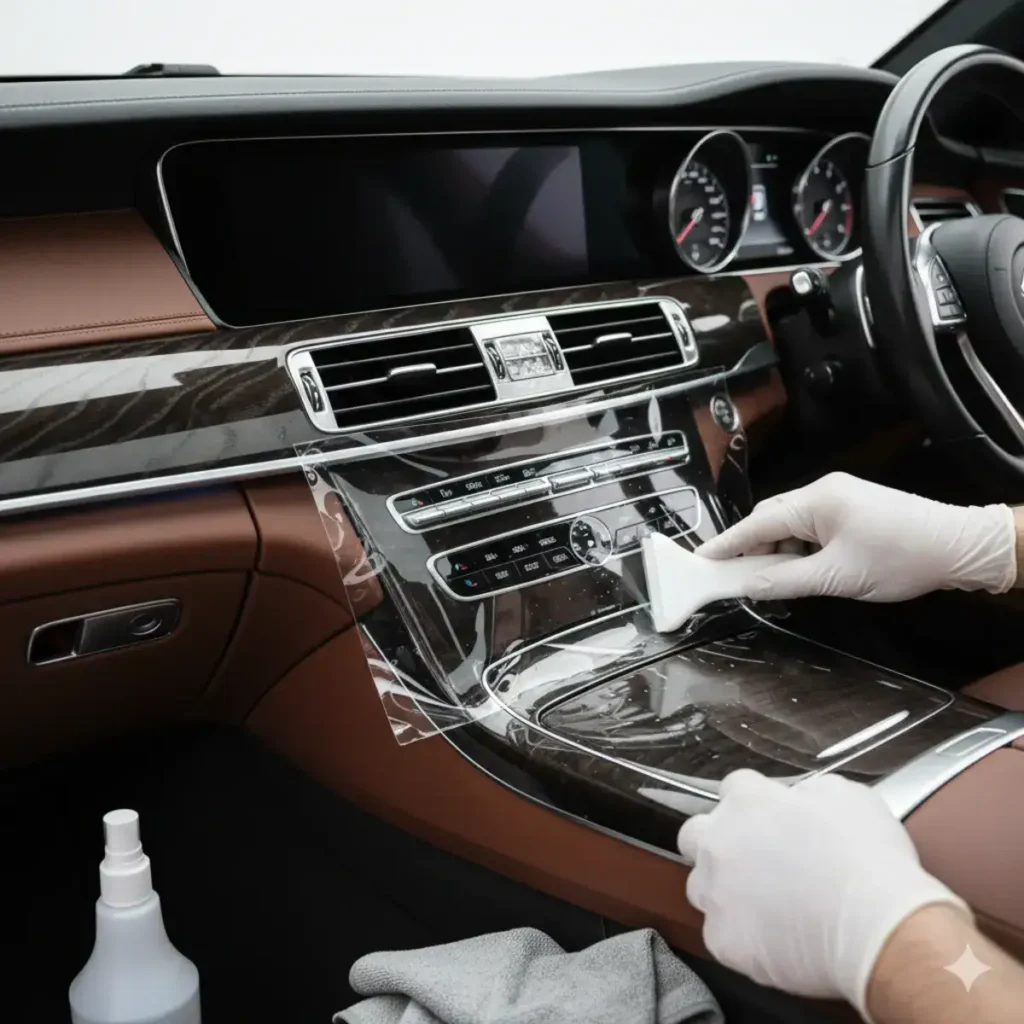
What is PPF on car interior?
Interior PPF is a transparent, self-healing film applied to delicate interior components. It’s specially designed to protect glossy or sensitive areas from: Scratches and swirl marks.
Is interior PPF worth it?
Is interior PPF worth it for modern cars? Yes, modern interiors have more glossy and high-touch surfaces that can get scratched easily, making interior PPF useful for long-term protection.