


Glass Protection
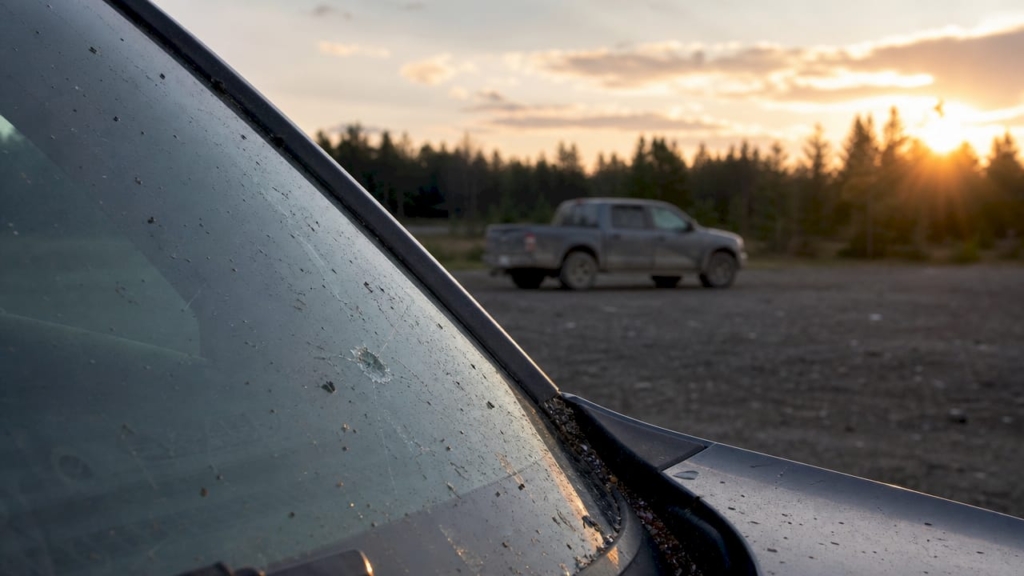
Shield your windshield. Get unmatched durability and UV protection with the ultimate defense against chips, cracks, and road hazards.
Benefits
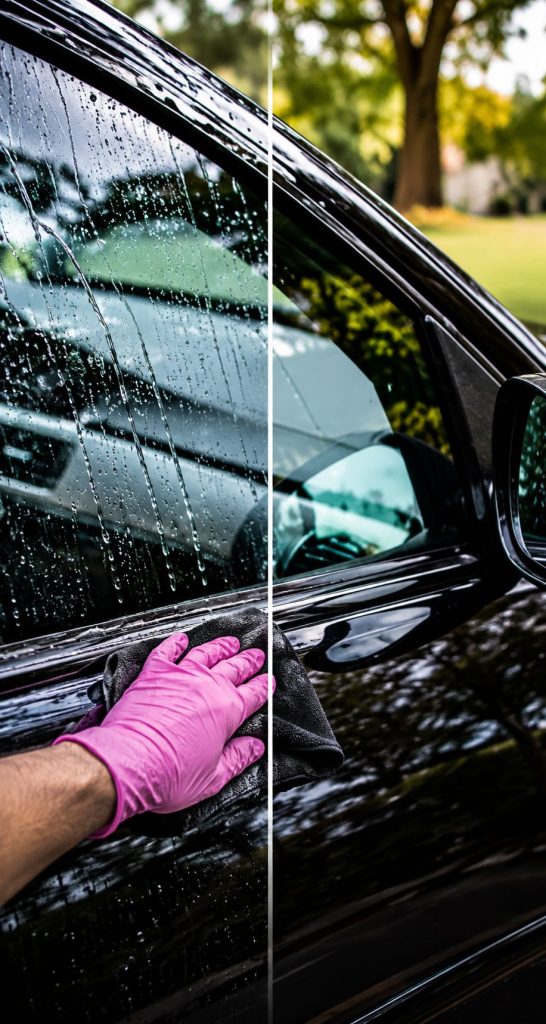
- Hydrophobic water repellency
- Easier cleaning
- Improved visibility in rain
- Reduced mineral staining
- UV protection 💧☀️
Our Process
Glass Inspection & Decontamination
We thoroughly inspect your vehicle’s glass and remove dirt, mineral deposits, water spots, and other contaminants to create a perfectly clean surface for maximum coating performance and long-lasting protection.
Deep Cleaning & Surface Preparation:
Our technicians perform a deep cleaning and carefully prepare the glass surface to ensure the protective coating bonds properly for maximum durability and performance
Professional Application of the Glass Protection Coating:
Our certified technicians precisely apply the premium glass protection coating to create a durable, hydrophobic barrier that enhances visibility and repels water, dirt, and road contaminants.
Final Inspection & Curing Instructions
We perform a final quality inspection and provide proper curing instructions to ensure your glass protection achieves maximum performance and long-lasting durability.
Our Services & Pricing
Windshield Only
Starting at-
Liquid ceramic coating
-
Plasma Spraying
Front Glass Package
Starting at-
Liquid ceramic coating
-
Plasma Spraying
Complete Vehicle Glass Protection
Starting at-
Liquid ceramic coating
-
Plasma Spraying
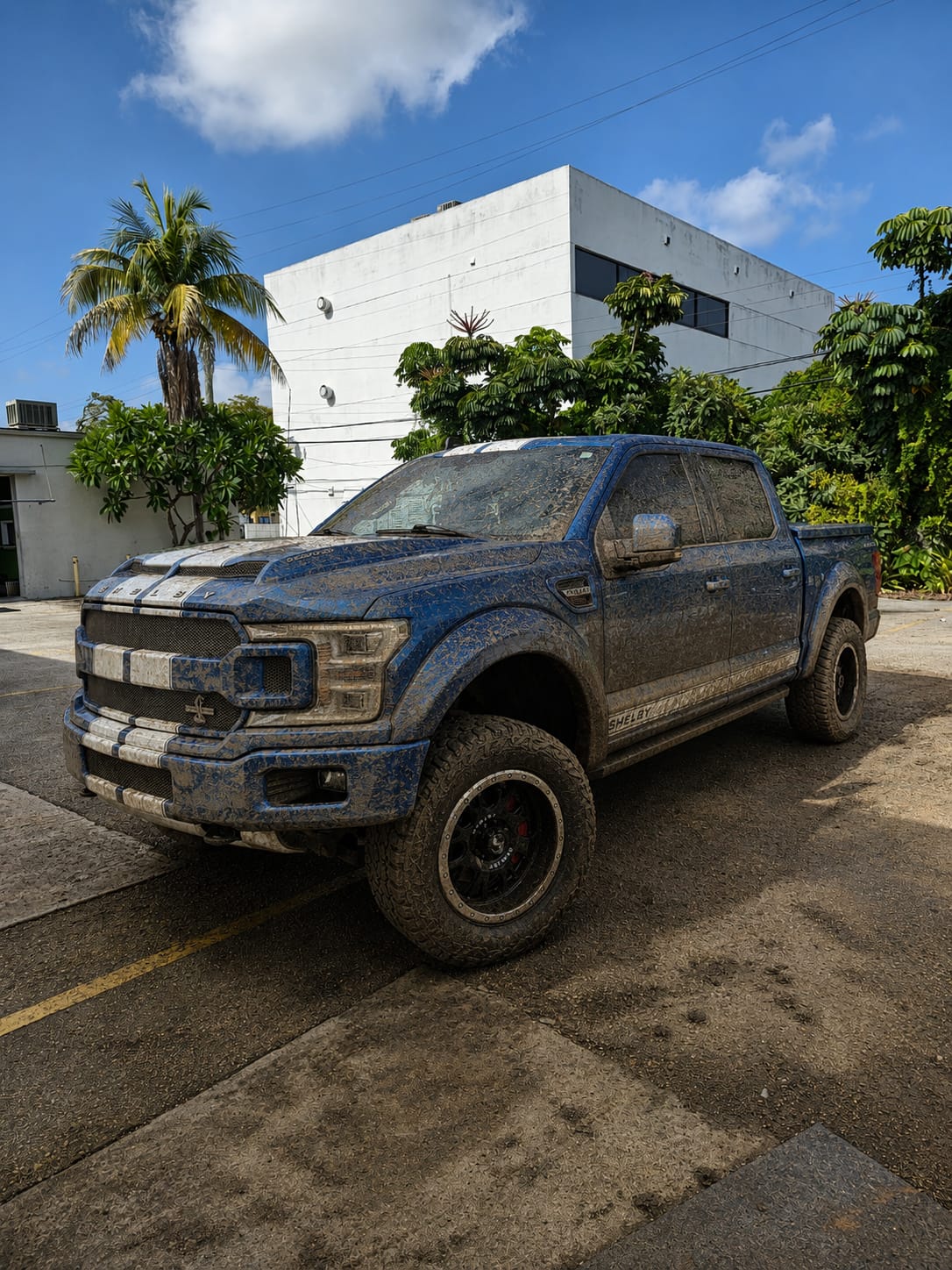
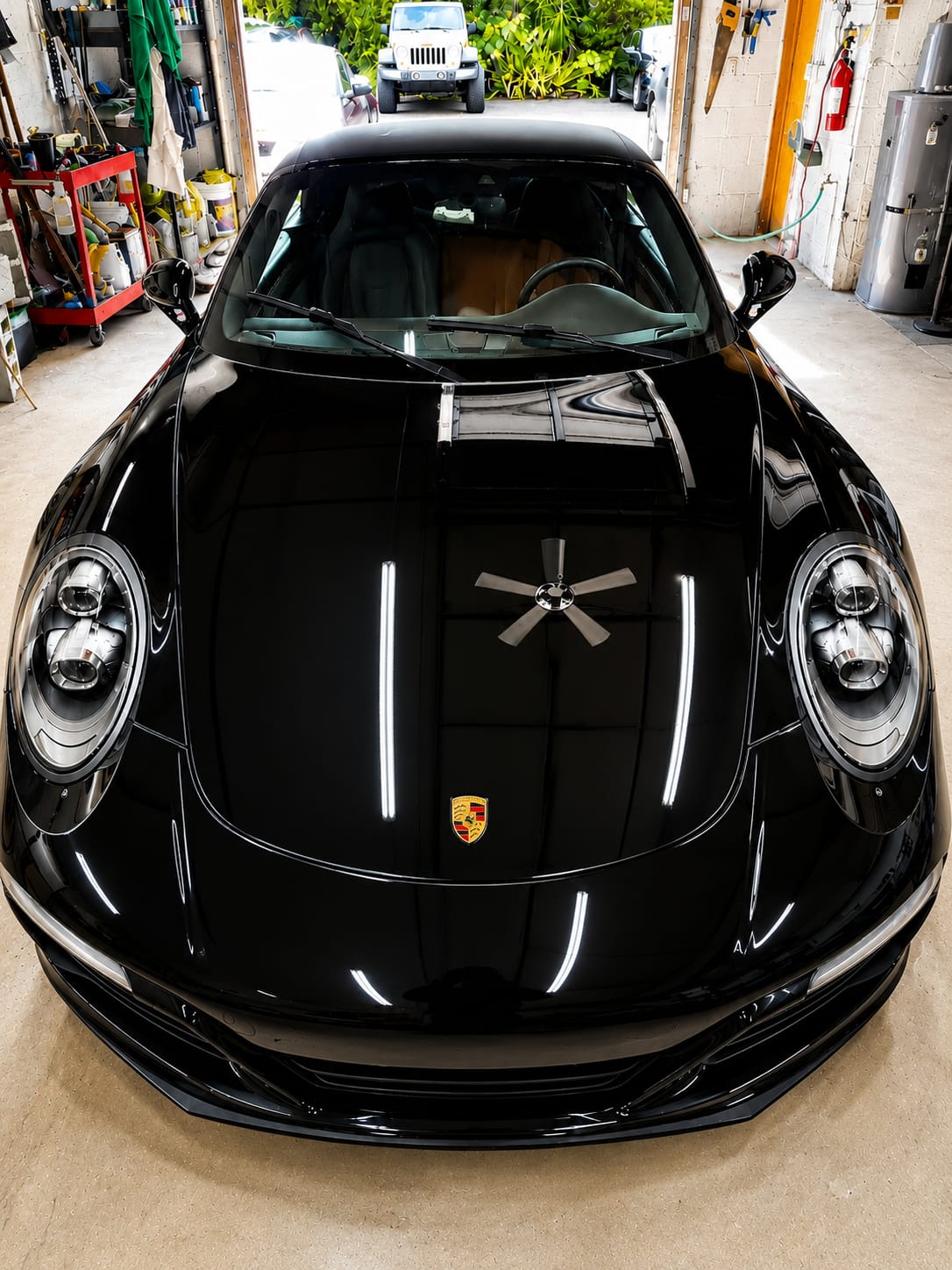
Glass Protection Portfolio




FAQ
What is the primary difference between annealed glass and tempered glass?
The main difference lies in their strength and how they break. Annealed glass is standard glass that breaks into large, sharp, and dangerous shards. Tempered glass, through a thermal tempering process, is significantly stronger and, when broken, shatters into thousands of small, relatively blunt pieces (dicing), making it a much safer option for human impact areas.
Can 3M security film effectively prevent forced entry into a commercial building?
Yes, high-performance 3M security film is engineered to drastically increase glass integrity and significantly delay forced entry. By holding the glass together even after it shattered, it transforms a quick smash-and-grab opportunity into a prolonged, noisy event, providing valuable time for security response and deterring intruders.
Is security window film suitable for blast mitigation?
Absolutely. Unlike tempered glass, which shatters into dangerous projectiles during an explosion, security window film is designed to absorb and dissipate blast energy. It keeps glass fragments contained within the frame, dramatically reducing the risk of injury from flying debris and maintaining the building’s integrity. High-performance films meet stringent blast mitigation standards like GSA TS01 and ASTM F1642.
How disruptive is the installation of security window film compared to replacing tempered glass?
Installing security window film is a far less disruptive process than replacing tempered glass. Film is applied to existing windows, avoiding the need for demolition, heavy equipment, and extensive labor. This means minimal operational downtime for businesses, shorter project timelines, and no compromise to the building’s weather seal, offering a cost-effective and efficient upgrade.