

Liquid Paint Protection Film (LPF)
Liquid Paint Protection Film (often called LPF) is the next evolution in vehicle surface protection — a high-performance protective layer that starts as a liquid and cures into an invisible, flexible film that bonds directly to your vehicle’s clear coat.
Benefits
- Protects against daily wear and environmental damage
- Enhances gloss and long-term appearance
- Makes cleaning and maintenance easier
- Preserves vehicle value
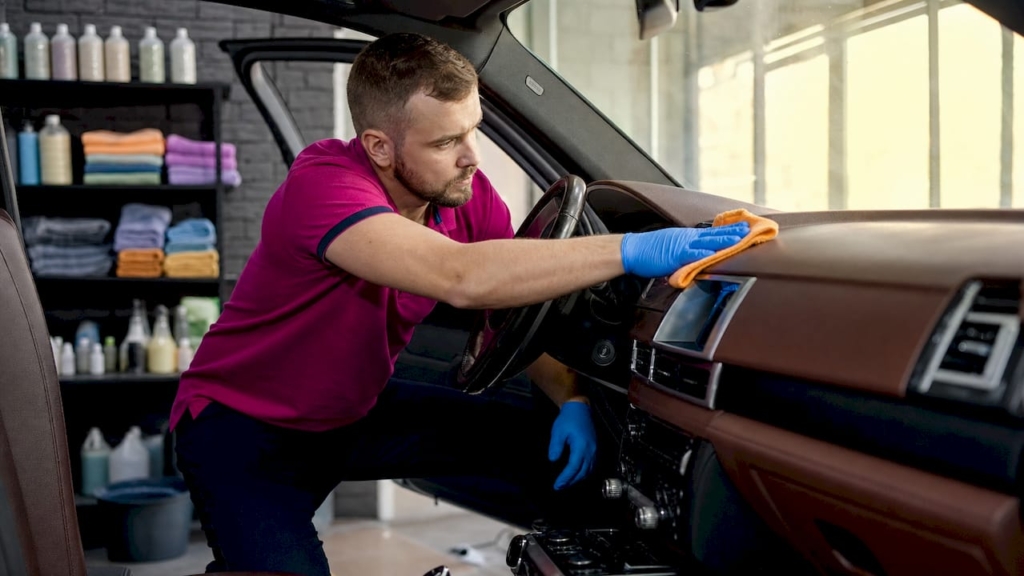
- Complete protection for paint, glass, wheels, trim, and interior
Our Process
1. Decontamination and Prep: Wash the vehicle thoroughly to remove tar, iron deposits, and old waxes using specialized cleaners and clay mitts.
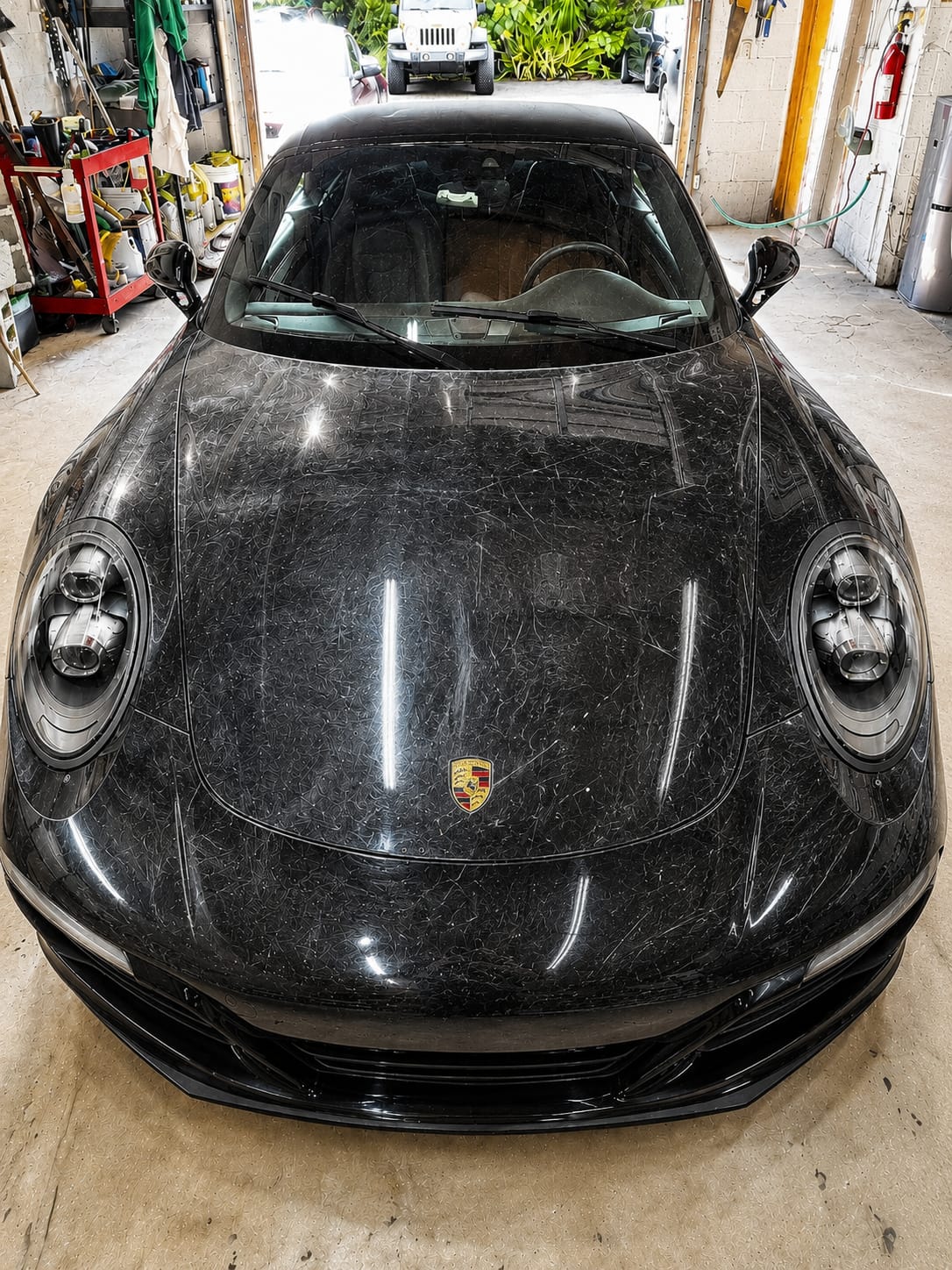
2. Paint Correction: Polish out surface scratches or paint defects, as the liquid PPF will lock in whatever is underneath.
3. Panel Wipe Down: Use isopropyl alcohol (IPA) or a specialized surface prep spray to strip away any remaining polishing oils, ensuring maximum adhesion.
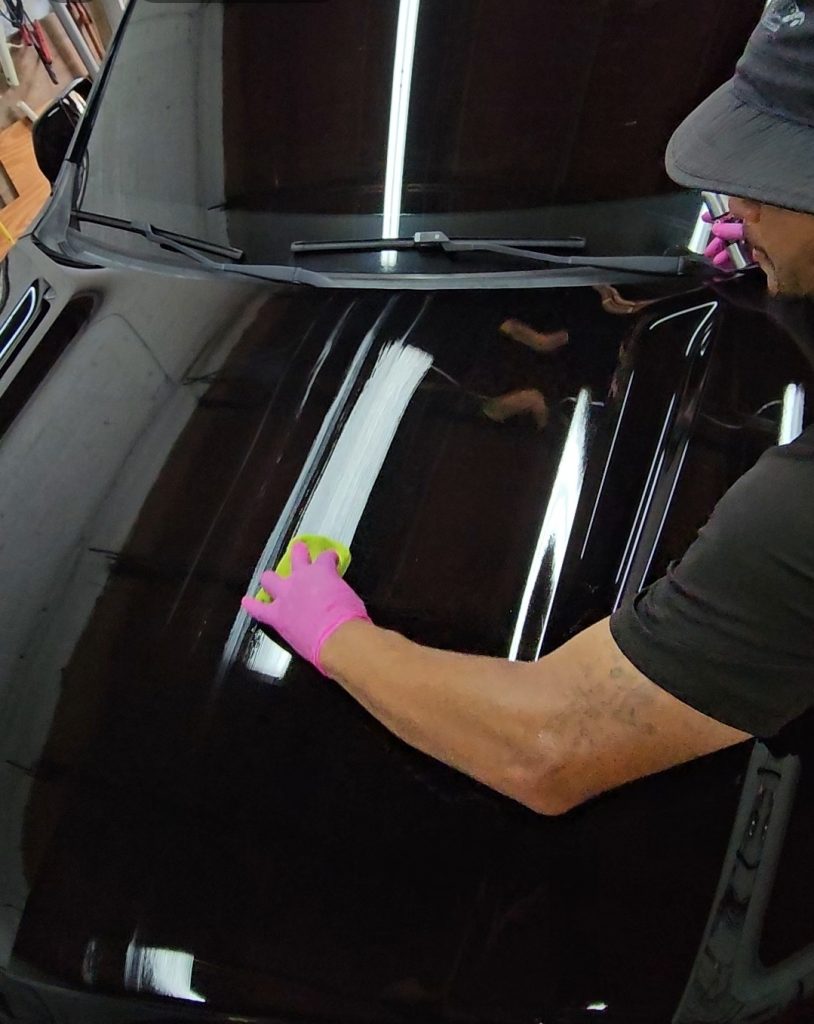
4. Application: Apply the liquid PPF uniformly—often using a ceramic coating applicator block or spray equipment—in thick, overlapping sections.
5. Leveling & Curing: Allow the liquid to level out and flash for a few minutes (until it resembles an “oil slick”). Level the edges carefully if required, and allow it to cure for 24–48 hours.
Our Services & Pricing
(90/10)
APEX SPORTS SHIELD-
Coverage:Front grille +Side mirrors
-
Purpose: Essential impact protection. 🛡️
(80/20)
APEX ELITE SPORT ARMOR-
Coverage: Front grille.Side mirrors.Bottoms of doors
-
Purpose: Essential impact protection with expanded coverage. 💪
(70/30)
CROWN SURFACE SHIELD-
Coverage: Hood.Front bumper.Roof.Trunk
-
Purpose: Sport-focused protection. 🏎🟀
(50/50)
HALF HALO ARMOR-
Coverage: Hood (front section).Front bumper.Mirrors.Fenders.Front doors.Door bottoms.Front half of roof
-
Purpose: Balanced performance protection. ⚖️
(100%)
SOVEREIGN FULL BODY ARMOR-
Coverage: Complete painted exterior
-
Purpose: Maximum protection. 👑
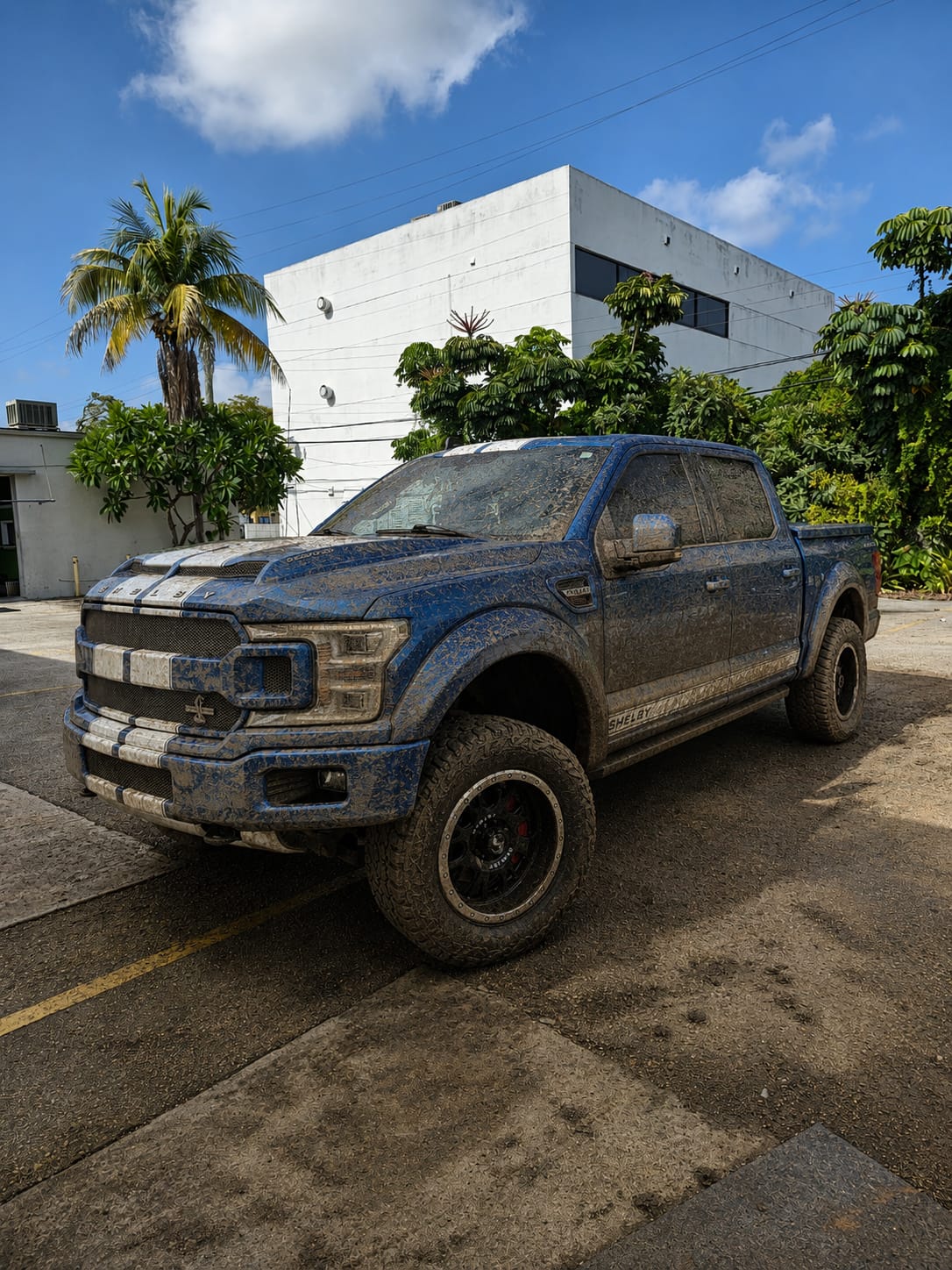
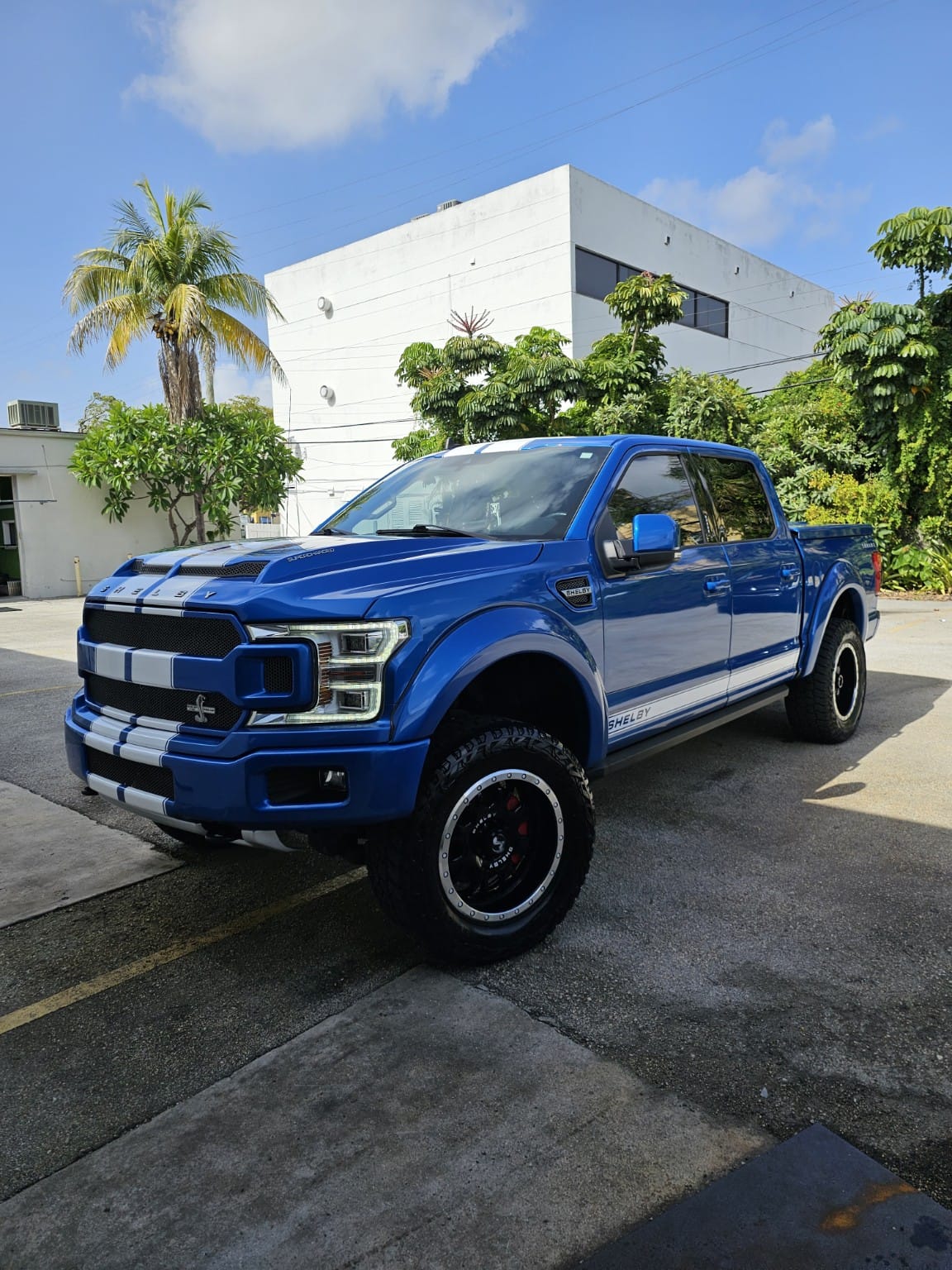
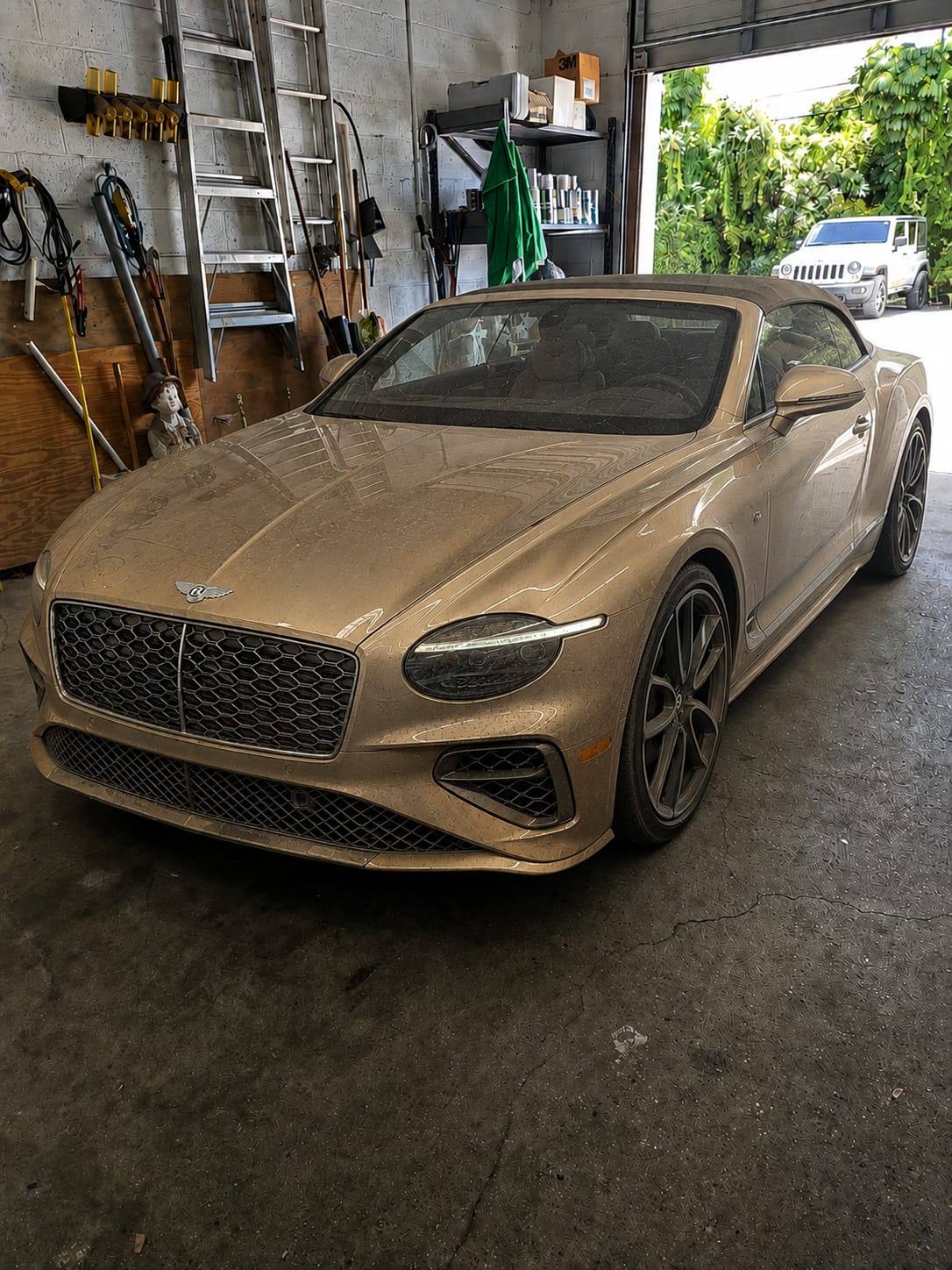
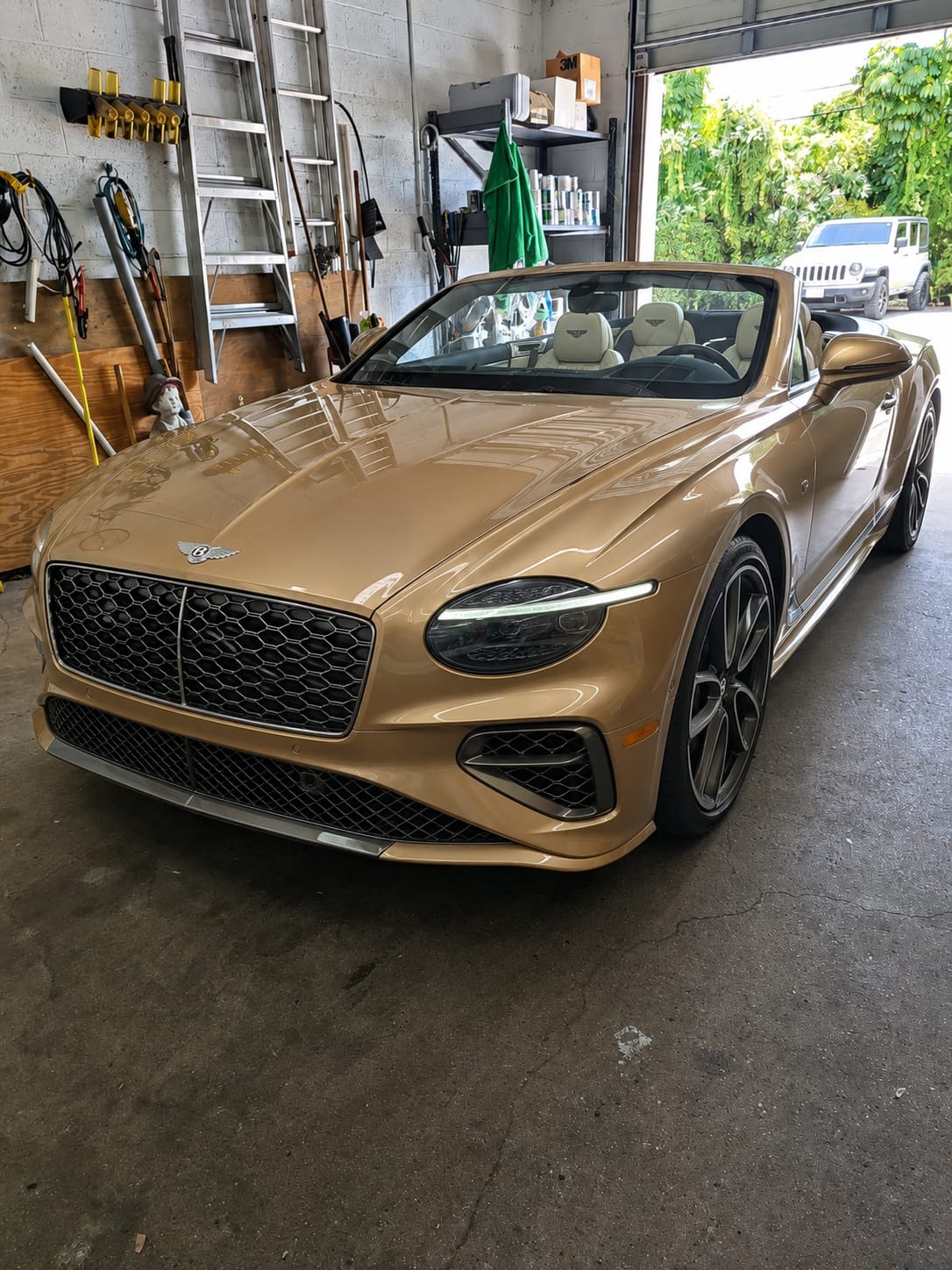
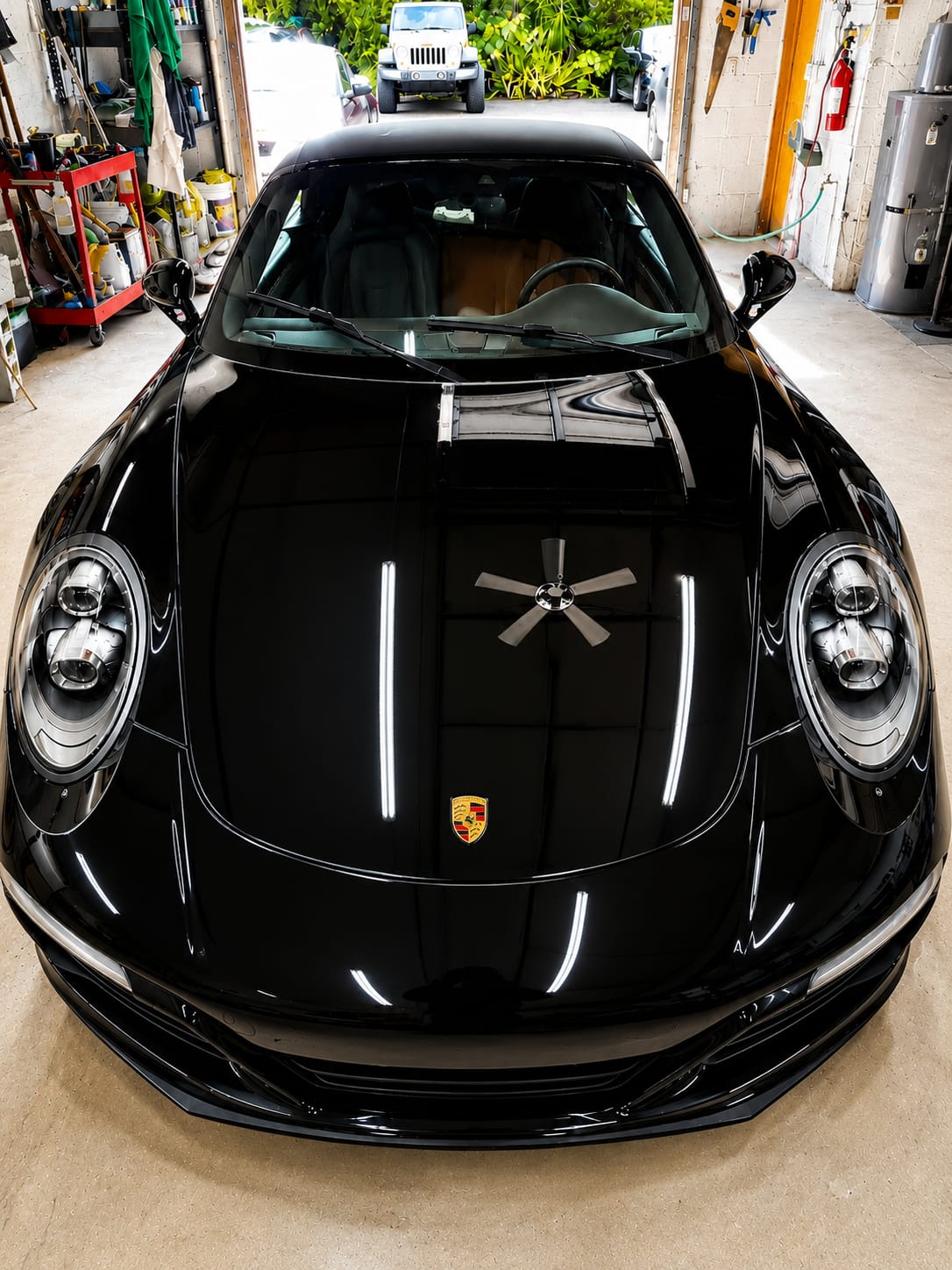
Liquid Paint Portfolio
FAQ
What is Liquid PPF
Liquid PPF is a polyurethane and acrylic paint protection film applied in liquid form that cures into a seamless, flexible protective layer directly on automotive paint. Unlike traditional pre cut film, it does not create visible seams or panel transition lines within the treated area.
Where is liquid PPF applied?
Liquid PPF is most commonly applied to the front end of a vehicle, including the hood, front bumper, fenders, mirrors, and A pillars. These panels experience the highest exposure to road debris, ultraviolet radiation, and environmental contamination. Full vehicle coverage is available for show cars and collector vehicles where complete surface continuity is desired.
Does liquid PPF require paint correction before installation?
Yes. Paint correction is required prior to installation to remove surface defects, refine clarity, and establish the proper surface condition for adhesion. Liquid PPF preserves the paint beneath it, so preparation directly determines the final visual result.