


TL;DR:
- Routine inspections and proper waste management reduce vehicle-related environmental contamination. Using eco-friendly products, professional washes, and durable protective coatings further minimize chemical runoff and resource use. Building sustainable maintenance habits supports both vehicle longevity and environmental preservation over time.
Your vehicle faces a constant chemical and physical assault every single day. UV radiation breaks down paint at the molecular level, acid rain etches clear coat, and fluid leaks from your own engine quietly contaminate the soil beneath your driveway. This environmental damage prevention guide is built specifically for vehicle owners who understand that protecting their car is also protecting the environment around it. The two goals are not separate. How you wash, maintain, and store your vehicle determines both its long-term appearance and its impact on local waterways, soil health, and air quality.
Table of Contents
- Key takeaways
- Your environmental damage prevention guide starts with the right tools
- Step-by-step actions to prevent environmental harm
- Proper disposal of automotive waste
- Long-term strategies for vehicle and environmental protection
- My honest take on eco-friendly vehicle care
- Protect your vehicle with professional-grade solutions
- FAQ
Key takeaways
| Point | Details |
|---|---|
| Inspect for leaks regularly | Fluid leaks are a primary source of urban stormwater pollution and must be caught before they reach soil or drains. |
| Use spill containment gear | An impermeable staging mat during any DIY maintenance dramatically reduces the risk of groundwater contamination. |
| Choose professional car washes | Facilities with water reclamation systems outperform home washing for environmental safety every time. |
| Apply long-term surface protection | Paint protection film and ceramic coatings reduce the frequency of chemical-heavy cleaning and extend finish life. |
| Dispose of automotive waste correctly | Oils, coolants, and batteries require designated recycling programs to avoid serious environmental and legal consequences. |
Your environmental damage prevention guide starts with the right tools
Before you can prevent damage, you need to be working with materials that do not create a new problem while solving the old one. Many vehicle owners unknowingly replace one form of environmental harm with another by using harsh chemical cleaners that wash directly into storm drains. The right preparation eliminates that cycle.
Here is what a responsible vehicle care kit should include:
- Biodegradable wash soaps and degreasers. These break down naturally without releasing persistent chemicals into the water supply. Look for pH-neutral formulas specifically labeled as biodegradable.
- Spill containment mats. Even small spills of automotive fluids can contaminate large volumes of groundwater. A dedicated impermeable mat under the work area is non-negotiable for any DIY maintenance.
- Electric-powered tools. Electric tools reduce air pollution contributions by up to 5% in the US and cost less to operate over time compared to gas-powered alternatives.
- Sealed waste containers. Always have labeled, sealed containers ready to collect used oil, coolant, and other fluids before you start any fluid change.
- Microfiber wash mitts and drying towels. These require less water and fewer chemicals to clean effectively compared to traditional sponges.
| Tool or material | Environmental benefit |
|---|---|
| Biodegradable soap | Breaks down without polluting waterways |
| Impermeable spill mat | Contains fluids before they reach soil or drains |
| Electric tools | Zero operational fumes, lower ground-level ozone contribution |
| Sealed waste containers | Prevents hazardous fluid spills during storage |
| Microfiber cloths | Reduces water consumption and chemical use per wash |
Pro Tip: Before purchasing any cleaning product, check the Safety Data Sheet for aquatic toxicity ratings. A product rated as harmful to aquatic life should not be used anywhere near a driveway drain or natural surface.
Regular pre-maintenance vehicle inspections are also part of this preparation phase. Checking hoses, gaskets, and fluid levels before you start working catches problems while they are still containable. This connects directly to sustainable vehicle routines that protect both the car and its surroundings.
Step-by-step actions to prevent environmental harm
Knowing what to do is one thing. Following a consistent process is where most vehicle owners fall short. These steps cover the habits that make the biggest difference in reducing your vehicle’s environmental footprint.
-
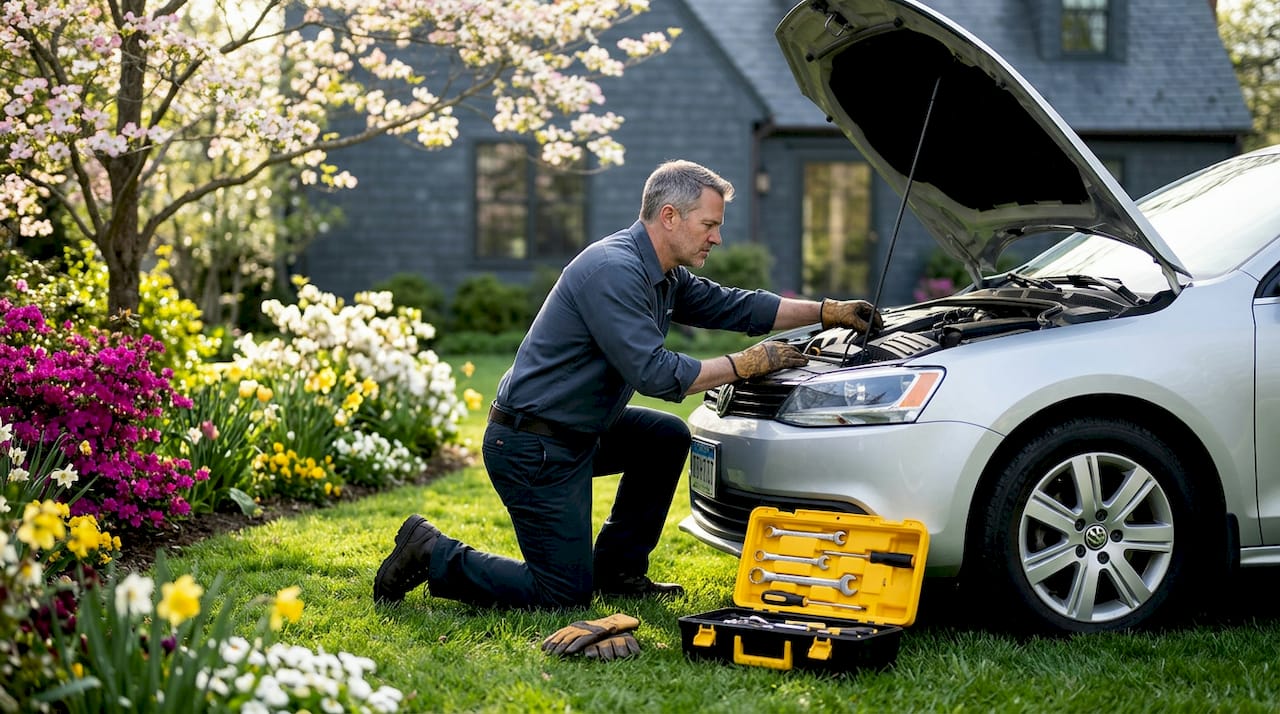
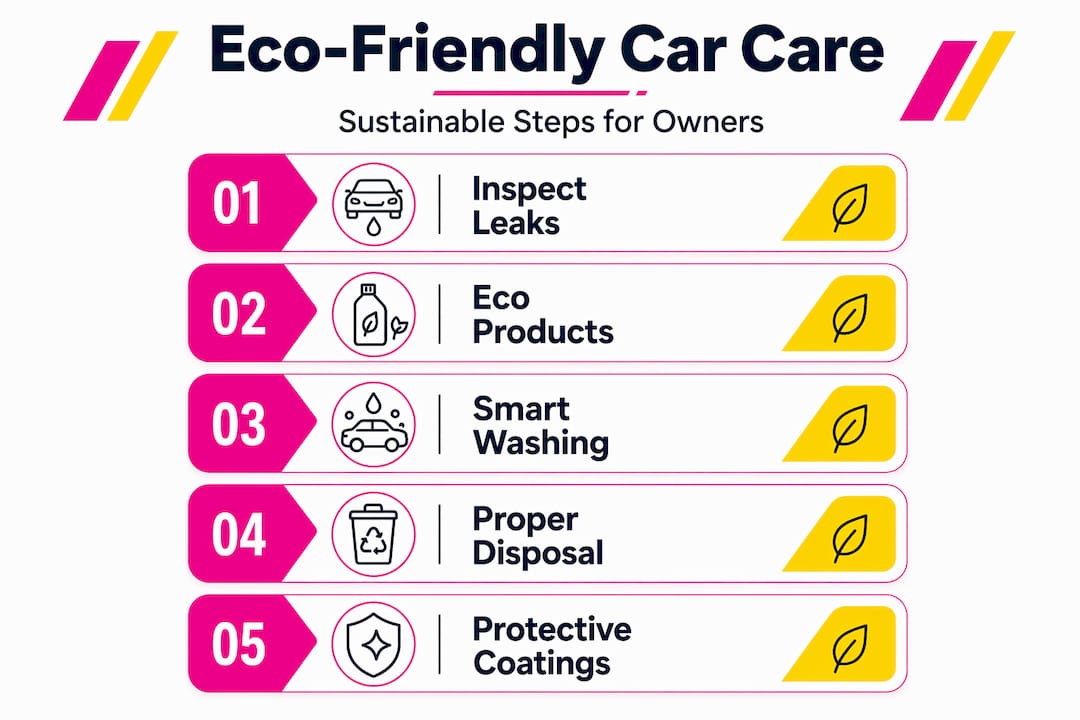
Inspect your vehicle before every use. Vehicle owners should inspect daily for fluid leaks because automotive fluids are a primary contributor to urban stormwater pollution. Look for spots under the engine bay, transmission, and brake components. Even a slow drip accumulates into a serious contamination source over weeks.
-
Set up an impermeable work surface before any maintenance. Place a containment mat or heavy plastic sheeting under the entire vehicle when performing oil changes, brake work, or fluid flushes. A dedicated staging area greatly reduces contamination risk that most owners seriously underestimate.
-
Use a professional car wash for routine exterior cleaning. Professional car washes with water reclamation systems prevent toxic runoff from entering storm drains. Home washing typically sends a mixture of soap, road grime, brake dust, and trace metals directly into the nearest drain. Professional facilities are regulated and treat that water before it leaves the property.
-
Replace gas-powered tools with electric alternatives. Electric tools emit zero operational fumes and reduce user exposure to harmful ground-level ozone. This applies to pressure washers, polishers, and vacuums used during detailing.
-
Follow a scheduled preventative maintenance program. Sticking to manufacturer-recommended service intervals reduces the volume of waste generated by emergency repairs and premature part replacements. Fresh oil, properly inflated tires, and clean filters all contribute to lower emissions and less overall waste.
-
Use the least toxic product that gets the job done. Pollution prevention practices include modifying maintenance processes to use non-toxic cleaners and reusing materials rather than disposing of them as waste. This applies to everything from wheel cleaners to interior protectants.
Pro Tip: When washing at home is unavoidable, use a flow restrictor on your hose and wash on a gravel or grass surface to allow natural filtration before runoff reaches any drain.
A winter car care checklist is also worth reviewing if you operate in seasonal climates where road salt, ice melt chemicals, and temperature extremes add additional layers of environmental stress to your vehicle.
Proper disposal of automotive waste
Most vehicle owners handle the active maintenance correctly but lose track of what happens to the waste afterward. Improper disposal of automotive fluids and parts is one of the most damaging and legally risky mistakes a vehicle owner can make.
The most common hazardous waste types generated by vehicle maintenance include:
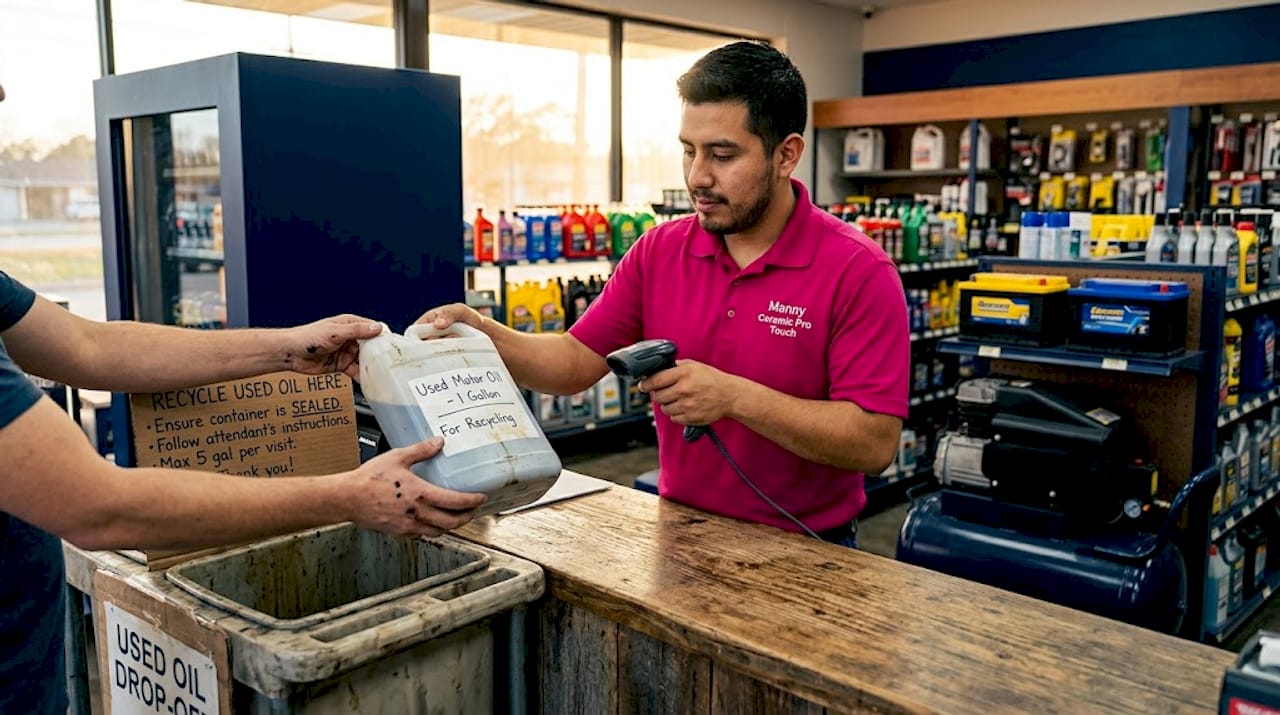
- Used motor oil. One quart of oil can contaminate 250,000 gallons of groundwater. Never pour it down a drain, onto soil, or into household trash.
- Coolant and antifreeze. These fluids contain ethylene glycol, which is toxic to animals and humans. They also attract pets because of their sweet smell, making uncontained spills particularly dangerous.
- Batteries. Lead-acid batteries contain sulfuric acid and heavy metals that cause serious long-term soil and groundwater damage when sent to landfills.
- Brake fluid and transmission fluid. Both are corrosive and toxic to aquatic environments. They require collection at designated hazardous waste facilities.
- Worn tires. Tires leach zinc and other compounds into soil over time. Most auto retailers offer take-back programs at no cost.
Vehicle owners carry a legal and environmental responsibility to proactively manage pollution risks from their equipment and activities. General environmental duty requires risk assessment and active mitigation before harm occurs, not after.
Most auto parts stores accept used oil and batteries for recycling at no charge. Municipal hazardous waste collection events handle coolants and brake fluids. Storing waste fluids in their original sealed containers or in clearly labeled, tightly sealed jugs prevents spills during transport. Never mix waste fluids together. Mixed fluids are harder to recycle and are often rejected by collection facilities.
Pollution prevention at the source is consistently more cost-effective than cleanup and reduces both health risks and environmental damage over time. Treating waste management as part of your regular maintenance routine rather than an afterthought makes all the difference.
Long-term strategies for vehicle and environmental protection
The most effective approach to protecting your vehicle and reducing its environmental impact is building durable, low-intervention systems into your ownership routine. This means selecting products and treatments that do their job for years rather than weeks.
Paint protection film and ceramic coatings
Paint protection film (PPF) and ceramic coatings are not just appearance upgrades. They are functional barriers that reduce how often you need to clean your vehicle aggressively and how many chemical products you consume over the vehicle’s lifetime. A properly applied ceramic coating makes surfaces hydrophobic, so contaminants like bird droppings, tree sap, and road grime release with water alone rather than requiring abrasive or chemical intervention. This connects directly to UV damage protection for vehicles exposed to prolonged sun, where surface degradation accelerates oxidation and requires more frequent correction work.
| Protection method | Environmental benefit | Longevity |
|---|---|---|
| Ceramic coating | Reduces chemical cleaning frequency and water use | 3 to 7 years with maintenance |
| Liquid PPF | Shields paint from contamination and physical damage | 5 to 10 years |
| Traditional wax | Short-term barrier with moderate chemical input | 1 to 3 months |
| Paint sealant | Better durability than wax with less frequent reapplication | 6 to 12 months |
Selecting eco-conscious car care products
Considering the full life cycle of car care products is how you actually reduce your carbon footprint over time. A product that requires weekly application creates far more cumulative chemical waste than a single professional coating applied once every few years. Look for products with biodegradable formulas, minimal packaging, and concentrated formulas that reduce plastic waste.
Sustainable vehicle care is about adopting better defaults rather than chasing perfection. Small, consistent choices like switching to waterless wash sprays for light cleaning, scheduling professional detailing instead of DIY chemical treatments, and following a structured car preservation workflow compound into significant environmental and financial savings over years of ownership.
Pro Tip: Schedule a ceramic coating inspection every 12 months. A professional can identify where protection has thinned and apply a maintenance coat before contamination embeds into the paint. This extends the coating’s life and postpones the need for full paint correction, which generates significantly more chemical waste.
My honest take on eco-friendly vehicle care
I have worked with hundreds of vehicle owners who care about both their cars and the environment. What I keep seeing is that most people assume eco-friendly vehicle care means inconvenience or compromise. In my experience, that is almost always wrong.
The owners who do the most damage to the environment with their vehicles are not careless people. They are people operating on habit and assumption. They assume home washing is fine because they have always done it. They assume a little oil drip is not a big deal. They assume disposing of old coolant in the trash is acceptable because they do not know better. None of this is malicious. It is simply a gap between what people know and what the real impact looks like.
What I have learned is that the most sustainable approach is also the most protective of the vehicle itself. When you coat a car properly, you are reducing cleaning frequency, reducing chemical use, and reducing the wear cycle on the paint. When you use a professional car wash, you are not just being responsible about runoff. You are also getting a more consistent, less abrasive clean than most people achieve at home.
The hardest part of environmental responsibility in vehicle ownership is not the individual actions. It is building the habit of thinking one step ahead. Checking for leaks before you drive. Having your waste containers ready before you start the oil change. Knowing where your nearest used oil drop-off is before you generate the waste, not after.
Vehicle ownership carries a genuine environmental duty. Responsible risk management is not optional, and starting with small, consistent habits is the most realistic path forward for anyone who wants to do better without overhauling their entire routine.
— Emmanuel
Protect your vehicle with professional-grade solutions

At Mannyceramicprotouch, every vehicle protection service is designed with long-term preservation and reduced environmental intervention in mind. Liquid PPF and ceramic coatings applied at the studio level create barriers that last years, not weeks, cutting down on the volume of cleaning products, water, and correction treatments your vehicle requires over its lifetime. If you are serious about protecting your investment while reducing your environmental footprint, explore the liquid PPF solutions available in Fort Lauderdale or review the full range of paint protection film services tailored for high-value vehicles. For owners focused on finish depth and long-term shine, the ceramic coating packages at Mannyceramicprotouch deliver results that hold up against environmental exposure without requiring constant maintenance.
FAQ
What is the most effective way to prevent vehicle fluid contamination?
Inspect your vehicle for fluid leaks before every use and use an impermeable spill mat during all maintenance work. Even small leaks can contaminate large volumes of groundwater over time.
Are professional car washes better for the environment than washing at home?
Yes. Professional car washes with water reclamation systems capture and treat wastewater before it leaves the property, while home washing typically sends contaminated runoff directly into storm drains.
How does ceramic coating help with environmental protection?
Ceramic coatings create a hydrophobic surface that repels contaminants and reduces how often you need chemical cleaners, which decreases chemical runoff and water consumption over the vehicle’s life.
Where can vehicle owners dispose of used motor oil and coolant?
Most auto parts retailers accept used motor oil and batteries at no charge. Municipal hazardous waste events handle coolants and brake fluids. Never pour these fluids down a drain or onto soil.
Do paint protection film and ceramic coatings reduce environmental impact?
Yes. Both treatments extend the paint’s lifespan and reduce the frequency of aggressive cleaning cycles, lowering the total chemical and water use associated with maintaining the vehicle’s appearance over time.